A sprawling tan and white palace with a fountain in front and an Italian flag on top

Royal Villa of Monza, Italy: Off The Beaten Path


An 11-minute train ride from Milan Centrale, the Royal Villa of Monza offers a stately visit with sculpted gardens, vast lawns and, of course, the magnificent palace! Home to over 4,000 varieties of roses as well as an orangerie, you can be sure that the air is sweet-smelling and the gardens are picture-worthy.


Sitting on the banks of the Lambro river, and at the foot of the hills of Brianza, the English-styled gardens were designed by Giuseppe Piermarini and feature extensive topiary and manicured bushes. The palace is just as impressive with 700 rooms, all decorated in opulent fashion of the time. With an ambitious U-shaped layout, the Royal Villa of Monza is striking to say the least. When visiting, be sure to seek out the small court theatre as well as Appiani’s rotunda, which is located next to the orangery.


With sweeping architecture (26 arched south-facing windows), the orangery makes a romantic statement as it faces the the main courtyard. Added to the original structure in 1790, the orangery housed various kinds of citrus trees, exotic plants and rare botanical collections. Today, the space is home to a museum and is frequently rented out for exhibits, shows and galleries.


Built between 1777 and 1780, the Royal Villa served as a vacation home for the Archduke Ferdinand of Habsburg, gifted to him by his mother, the Empress Maria Theresa of Austria. Not only was the location a picturesque one, but it was strategic as well; positioned along the Milan-Vienna route, the palace complex hosted various royalty and dignitaries visiting Italy throughout the centuries.


Featured image: © Xiaoma | Dreamstime


Aerial view of stone ruins in the Valle dei Mulini

Valle Dei Mulini, Italy: Off The Beaten Path


Hidden deep in the crevice of a cliff range in Italy, the Valle dei Mulini (Valley of the Mills) sits in beautiful ruins. A haunting oasis secluded from the rest of the world, the abandoned buildings are covered in vibrant moss and vines, beckoning to be remembered.


The gaping crack in the rock (created by the Campri Flegrei eruption 35,000 years ago) was the perfect place for the Sorrentine people to build a mill, as they took advantage of the river at the bottom of the valley. In the 13th century, stone flour mills were successfully established to grind grain, then later a sawmill for the cabinet-makers, and a wash-house for women to do laundry.


The mills were the beginning of a flourishing industrial village, though their existence wouldn’t last long. At the end of the 19th century, flour milling was mostly moved to the nearby pasta mills, putting an end to the industry in the Valle dei Mulini. With villagers moving out to find work, the crevice town became obsolete by 1940.


Since the abandonment, aggressive vegetation has slowly taken to the crumbling buildings, creating a mystical and eerie atmosphere. The city of Sorrento has voted to restore the mills, making it temporarily inaccessible to hike down into the canyon. The village can be viewed from the above Viale Enrico Caruso.


Featured image: © Ksenia Samorukova | Dreamstime


Aerial view of part of the Walls of Ston leading down to town on the water with green mountains in the background

Walls of Ston, Croatia: Off The Beaten Path


As the longest walled path in Europe, (and the second longest in the world next to the Great Wall of China), the Walls of Ston is a historical hike with breathtaking views. Nestled into the mountainside on the Peljesac Peninsula, the walls stand overlooking the clear blue waters, making for a picturesque escape from the more crowded tourist areas in Croatia.


Stretching over 3 miles, the Walls of Ston connect the villages of Mali Ston and Ston to the southwest; they start in Ston and weave their way up the mountainside to the Pozvizd Fortress, then meet with the walls of Mali Ston. There are a total of 40 towers and 5 fortresses along the route to explore.


When construction began on the wall in 1335, the purpose was to protect the salt production that was booming in the area; the lucrative salt trade contributed a third of the annual budget for the Dubrovnik Republic during the medieval times. Each stone was hand-carved and placed with care. During an extensive renovation that lasted 50 years and ended in 2009, builders kept that traditional method, and only placed hand-carved stones. A magnificent feat, these walls are remembered and preserved so travelers can walk the path as they did hundreds of years ago.


After exploring the fortified walls, head into the Mali Ston village for world renowned oysters. We recommend the legendary Bote Sare restaurant; their European flat oysters (Ostrea edulis) are incredible. End your afternoon sitting by the bay and taking in the gem of a village you’ve found yourself in.


Featured image: © Tatyana Gundar | Dreamstime


Via Appia, Italy: Off The Beaten Path


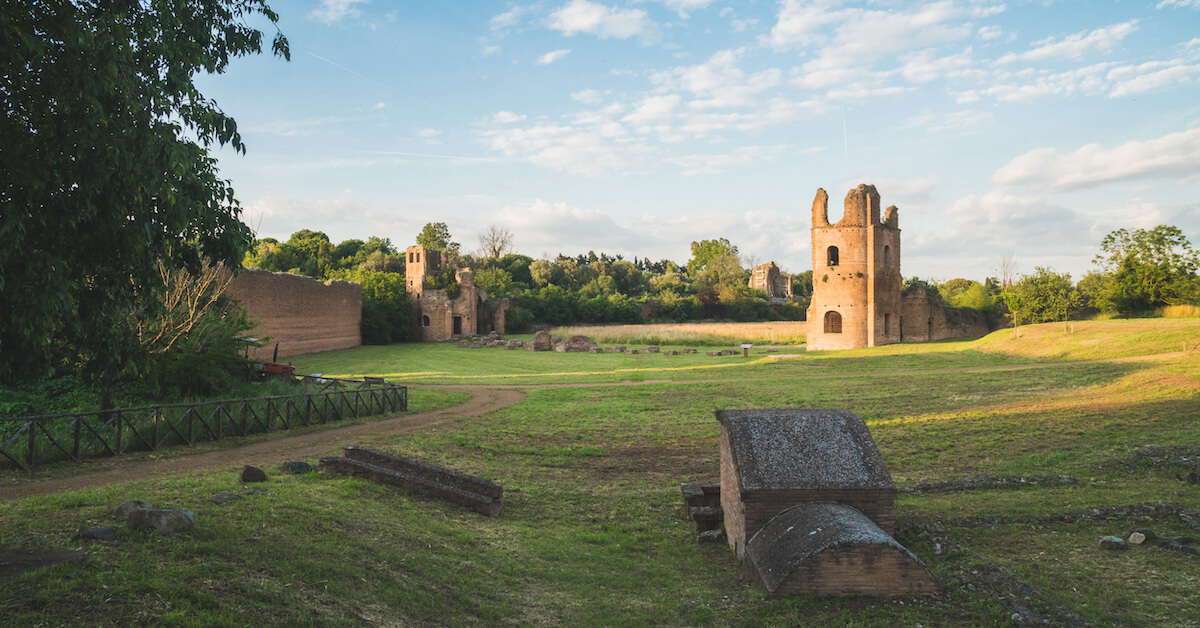
Within reach of Rome’s city center, the Via Appia is a gentle stroll along the oldest and longest road of the ancient republic. Stretching from Rome down to Brindisi, the Appian Way is a picturesque path, mostly cobblestone, lined with cypress trees, ancient architectural ruins, and quaint scenery.


© Ioana Catalina E | Dreamstime


Constructed in 312 BC and named after the wealthy and powerful magistrate Appius Claudius Caecus, the Appian Way was originally purposed as an army supply road for the empire. As time went on, the road expanded; many tombs were built here (as bodies were forbidden from being buried in the city center) along with family homes and catacombs. Perfectly cobbled stones create a path to connect these stunning structures, and they exist practically unchanged from over 2,300 years ago.


Although the road reaches a total of roughly 348 miles, the most visited portion (Via Appia Antica) is within the first mile in Rome, in the Parco Regionale dell’Appia Antica. Starting at the Catacombs of San Sabastiano, follow the path to a string of ruins and houses, each more charming than the previous. An easy walk, this route is great for family strolls, especially on Sundays when the road is closed to vehicles.


Featured image: © Ioana Catalina E | Dreamstime


Fronteira Palace

Fronteira Palace, Portugal: Off The Beaten Path


The Fronteira Palace, also known as the Palace of the Marquesses of Fronteira, is a prestigious estate with sweeping gardens and a warm red mansion, standing proud above the greenery. A unique property famous for its 17th century azulejo tiles, the Fronteira Palace is one of the best kept secrets in Portugal.


With over 13 acres of land in the heart of Lisbon, the Fronteira Palace offers spectacularly manicured topiaries, ornate fountains, statues, and a 16th century chapel. The most impressive part of this estate however, is the use of vibrant blue tiles along the bordering wall of the garden. Take time to notice the intricate designs, as well as the use of contrasting color; the varying designs can be attributed to both Italian and Arabic influence.


Built in 1640 for the first Marquis of Fronteira, Dom Joao de Mascarenhas, the palace was intended as a hunting pavilion for the Marquis and his friends. Inside you’ll find a stunning Battle Room with exquisite tile work showcasing the 8 episodes of the Restoration War; in the Dining Room, visitors can find a well-preserved art collection that includes paintings by Domingos Antonio de Sequeira. The palace was built in the Mannerist style, but features Baroque decoration, a fashionable contrast of the time.


It has been kept in the family of the Marqueses de Fronteira for thirteen generations and is still a private residence of the family today. Guided tours are necessary for viewing the inside of the home.


Featured image: © Luca Quadrio | Dreamstime


Villa Doria Pamphili

Villa Doria Pamphili, Italy: Off The Beaten Path


The largest landscaped park in Rome, Villa Doria Pamphili is a stately 17th-century villa with lush adjoining gardens. Wander through the estate, admire the meticulously trimmed hedges, and find yourself lost in a dreamworld of luxury in Italy’s capital. Constructed by the noble Roman Pamphili Family in 1630, the property has expanded over the centuries, growing in grandeur and status.


The first stop you’ll make as you head into the estate is at the entranceway; the “Arch of the Four Winds” stands in all its blush-colored glory with carved archways and statues for stylistic representation. This grand entrance commemorates the former Villa Corsini which used to stand in its place before the french bombardment in which it was destroyed.


Moving into the property itself, visitors have much to explore. The Casino del Bel Respiro (“small villa of good breath”) sits comfortably in its baroque elegance; white washed walls with powder blue shutters, this country residence has an angelic aura amidst the landscape.


The grand villa stands adjacent to the Secret Garden, a lush manicured garden with swirling hedges and treasured embellishments. Look for the fountains, statues, chapel, and carved architecture to peak your curiosity. If you’re still longing for adventure, follow the gentle waterfalls that lead from the picturesque pond and stop at every fountain on the property; there are seven!


With a heritage of nobility and status, the Villa Doria Pamphili has the history, beauty, and character that is both charming and significant to the Monteverde area.


Featured image: © Giuseppemasci | Dreamstime


Sligachan River

Sligachan River, United Kingdom: Off The Beaten Path


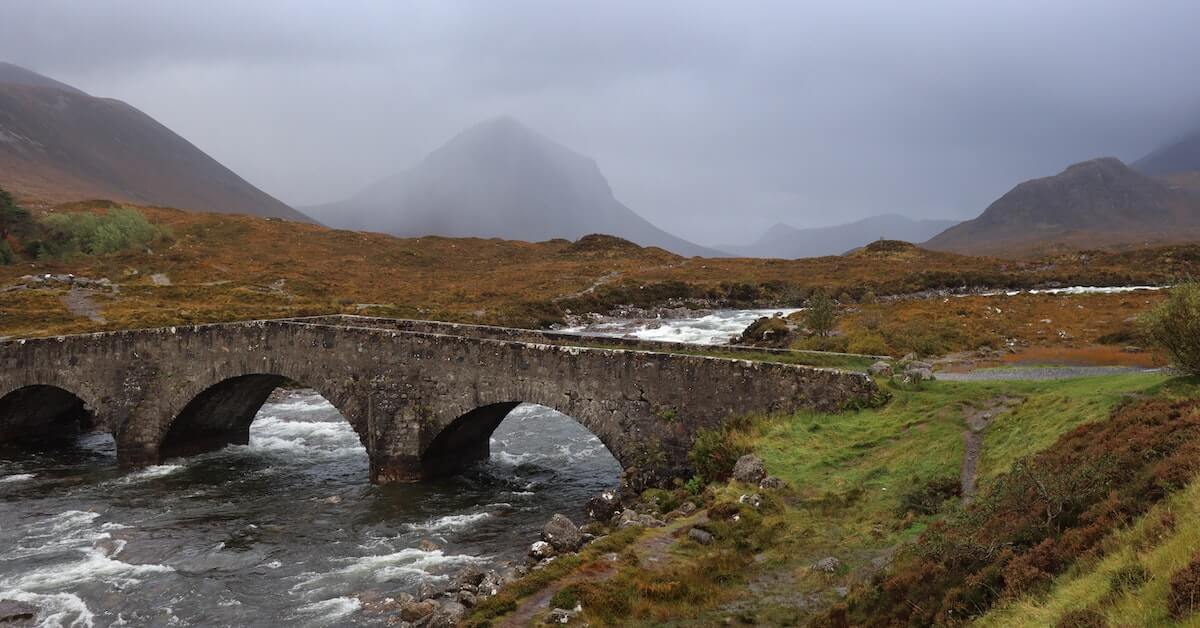
On Scotland’s Isle of Skye, a land of myths and legends, it’s no surprise that even an unassuming body of water such as the Sligachan River has a tale of its own. Most often identified by its stone bridge that from a picture looks like it could be from almost anywhere in this mountainous stretch of the United Kingdom, the waters that run beneath it are said to have magical properties.


The legend begins with Scotland’s greatest fighter, the warrior woman Scáthach. When the Irish warrior Cú Chulainn heard of her might, he set out to challenge her in battle. Scáthach accepted the challenge, even knowing she would be facing some who was half god. This battle raged on for weeks, shifting and changing the landscape in its wake, until Scáthach’s daughter couldn’t take it anymore. Uathach ran to the river and wept in distress.


Sligachan Bridge

© Bob Raymakers | Unsplash


Faeries heard her cries and appeared, advising her to wash her face in river to be bestowed the knowledge of how to stop the battle. Uathach did as they said and what she needed to do immediately dawned on her. She rushed back to her home and prepared a delicious meal, making sure the scent of it could reach Scáthach and Cú Chulainn. Once the warriors could smell the meal, they realized how hungry they were and agreed to take a break to eat. It wasn’t until after they devoured the meal that they realized that by eating in her home, Cú Chulainn had become Scáthach’s guest. And both their rules of hospitality forbade them from fighting with a guest.


Even though Uathach gained knowledge from the Sligachan River, it’s now said to grant eternal beauty, which opens up a variety of interpretations of “beauty”. Whatever the interpretation, one is granted this gift by submerging their face in river for seven seconds. You must put your face in the river itself, not bring the water up to you. And you can’t wipe up the water after, you have to let it dry naturally. Though the waters of the Scottish Highlands are far from warm at any time of year, it seems like a small price to pay for eternal beauty.


Featured image: © Inigocia | Dreamstime


Abbey of San Galgano Interior

Abbey of San Galgano, Italy: Off The Beaten Path


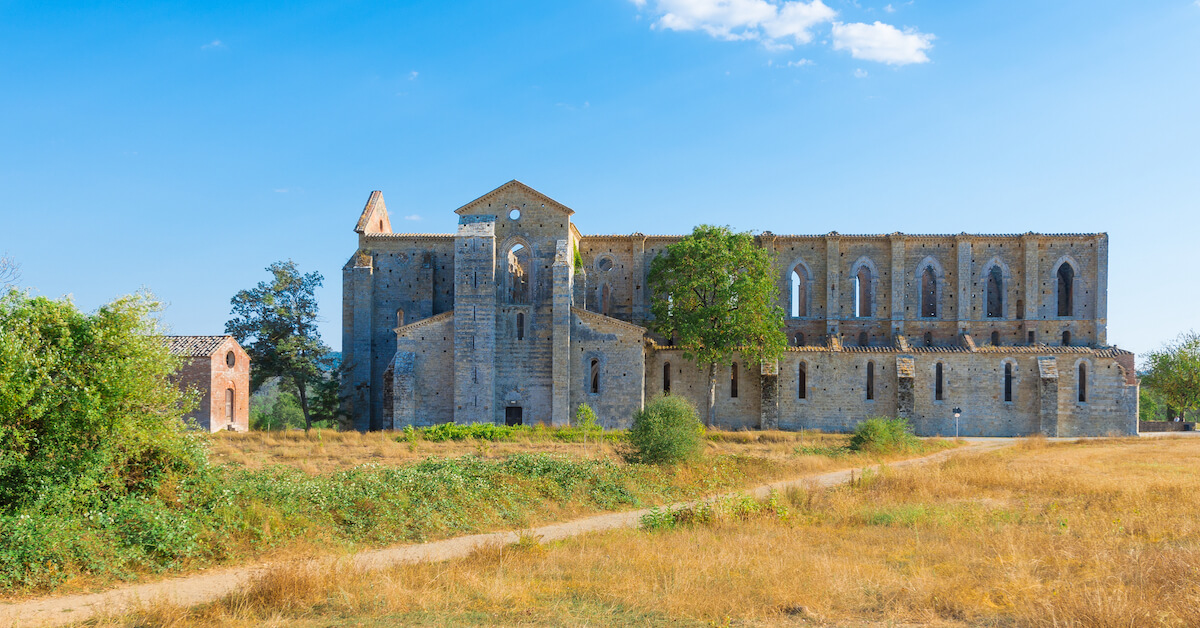
One of Tuscany’s most famous monasteries lies in beautiful ruins: the San Galgano Abbey. Sitting in a golden field with cypress trees dotting the property, the Abbey of San Galgano holds onto its Italian Gothic-Cistercian architecture, if only by the bones. With soaring archways and sweeping views, this ancient monastery is a picturesque spot to explore and reimagine history.


As history tells, Italy’s noble knight Galgano Guidotti left his life of wealth to live as a Cistercian monk in 1180, following a series of dreams and religious visions. To signify the abandonment of his status, Guidotti struck a rock with his sword, creating a real-life Excalibur. The sword-in-rock is preserved in a chapel at the nearby Montesiepi hermitage. Four years after his death, Guidotti was named Saint Galgano for his life of charity.


Abbey of San Galgano Exterior

© Bubutu | Dreamstime


In honor of Saint Galgano, the Cistercian monks built the Abbey of San Galgano in Siena, which was later devastated in 1300 by Giovanni Acuto’s troops. By the end of the 14th century, the abbey was the only structure left of the monastery.


Today, with it’s roofless walls and 13th-century style, the abbey is a breathtaking piece of architecture. From the tall nave with its soaring windows to the addition of the rose window still standing, the ancient structure is a vista to behold.


Featured image: © Marco Saracco | Dreamstime


Cable car glides above the greenery of Casa de Campo with Madrid city buildings such as Plaza Mayor in the distance

Casa de Campo, Spain: Off The Beaten Path


El Retiro may be Madrid’s most visited park, but Casa de Campo is its largest at roughly 4,257 acres, roughly five times the size of New York City’s Central Park. This sprawling bit of land was a hunting ground for exclusive use of the royal family for centuries, until 1931 when the Second Spanish Republic formed handed ownership over to the city. A key area in Francisco Franco’s Siege of Madrid, remains of bunkers can still be found there today.


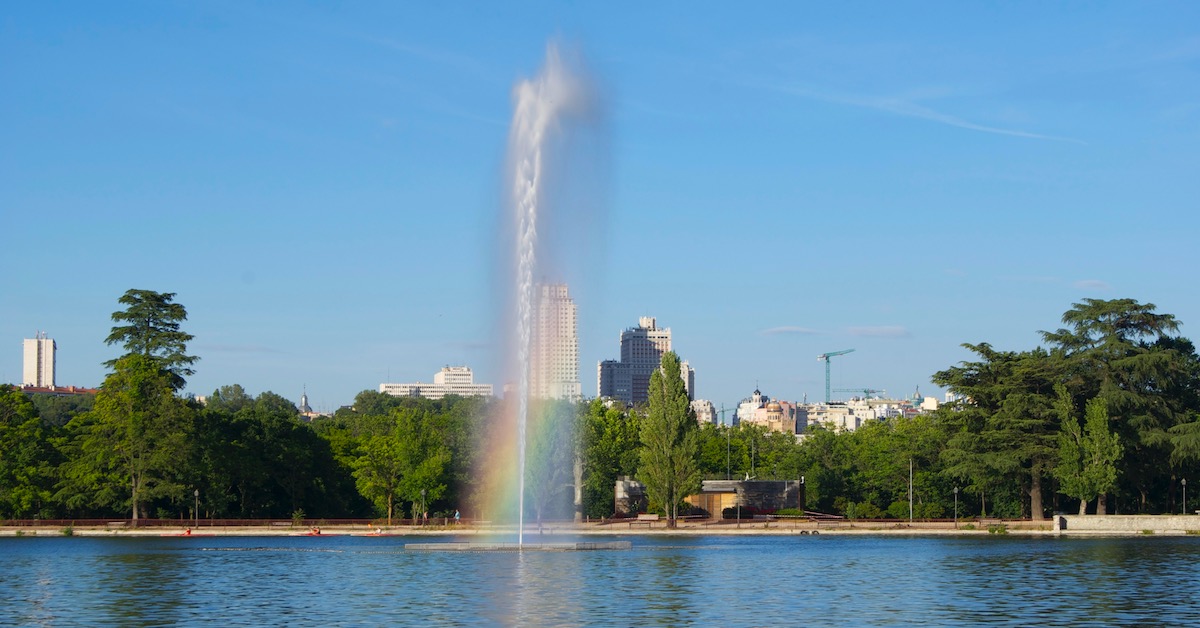
Fountain of water sprays high up from Casa de Campo’s lake with Madrid buildings peeking up out of trees in the background


It’s easy to spend an entire day without ever leaving the grounds of Casa de Campo with the abundance of activities it has to offer. The park maximizes its use of the massive space, home to not only a sizable boating lake and an outdoor pool, but also an aquarium, a cable car and an amusement park. The winding trails are perfect for biking and jogging, or simply taking a leisurely stroll. Some lead to hilltops where you can see monuments like Almudena Cathedral and Palacio Real peeking out of the trees just across the Manzanares River.


And while El Retiro tends to be a bustling with a decent amount of tourists, Casa de Campo is more laidback and ingrained in the community. You’ll find locals of all ages enjoying tapas or a drink at one of the restaurants near the lake as the sun sets or hosting various events at the pool throughout the summer.


View across a green pond of Borgo Medievale Turin, a small medieval village of stone walls and towers

Borgo Medievale Turin, Italy: Off The Beaten Path


On the banks of the Po River, Borgo Medievale Turin transports visitors to the days in Piedmont of drawbridges, courtyards, and knights in shining armor. As an open-air museum, and nestled within the Valentino park, families can wander through the gardens, along the decorated alleyways, and into a world not far from a fairytale.


The Medieval Village was originally created for the Italian general exhibition in 1884; it sought to recreate the atmosphere of a Piedmontese town in the 15th century. Within the fortified walls, the narrow streets are lined with artisan shops and the occasional restaurant to explore; both have animated workers ready to explain their craft and its relevance to the history of the region. From the paper mill to the farrier’s laboratory, from the bakery to the church, there are so many nooks to find!


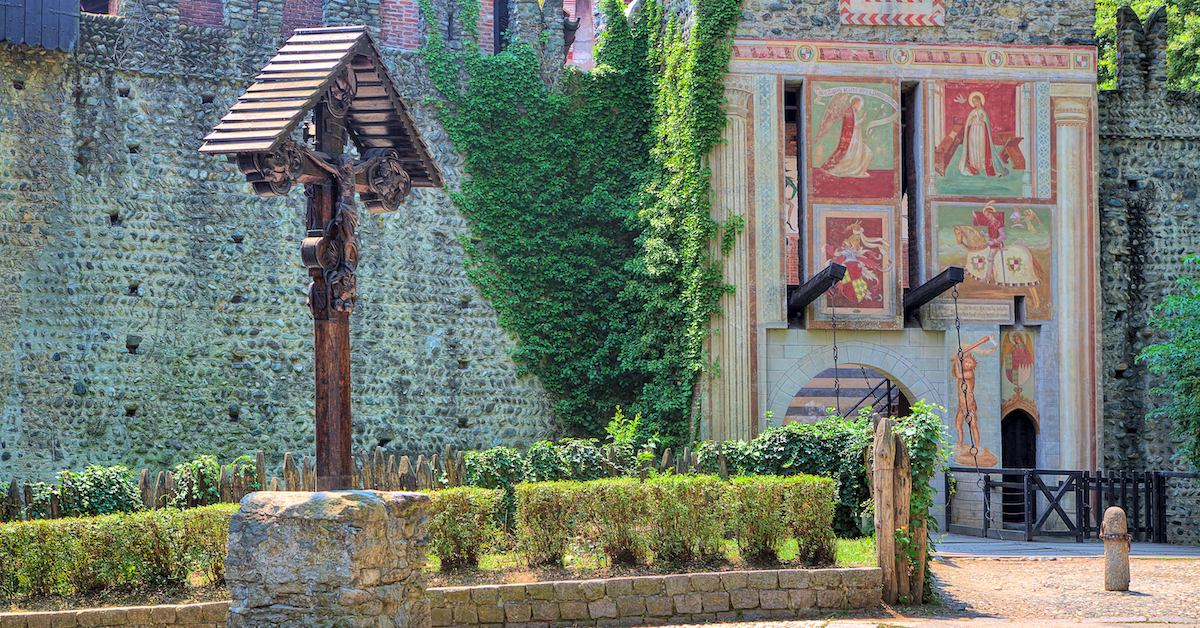
An old wooden crucifix with a medieval gate in a stone wall in the background

© Rostislav Glinsky | Dreamstime.com


The focal point and main attraction of Valentino park and Borgo Medievale Turin is the grand fortress. With a paid ticket, you can head up the hill, and into the castle to view the armor, weapons, and furnishings that were common of the Medieval times in Italy. From there, head to the “Garden of Delights,” where you will find lush flowering plants, medicinal herbs, and aromatics that will make your senses swirl with delight!


Depending on your pace and how much time you like to spend in noticing the fine details and craftsmanship of the quaint village, families could easily spend a full day within Valentino park. With so much to do within the incredible architecture, don’t forget to meander down to the Po for a restful retreat with a riverside view.


Featured image: © Marco Saracco | Dreamstime.com