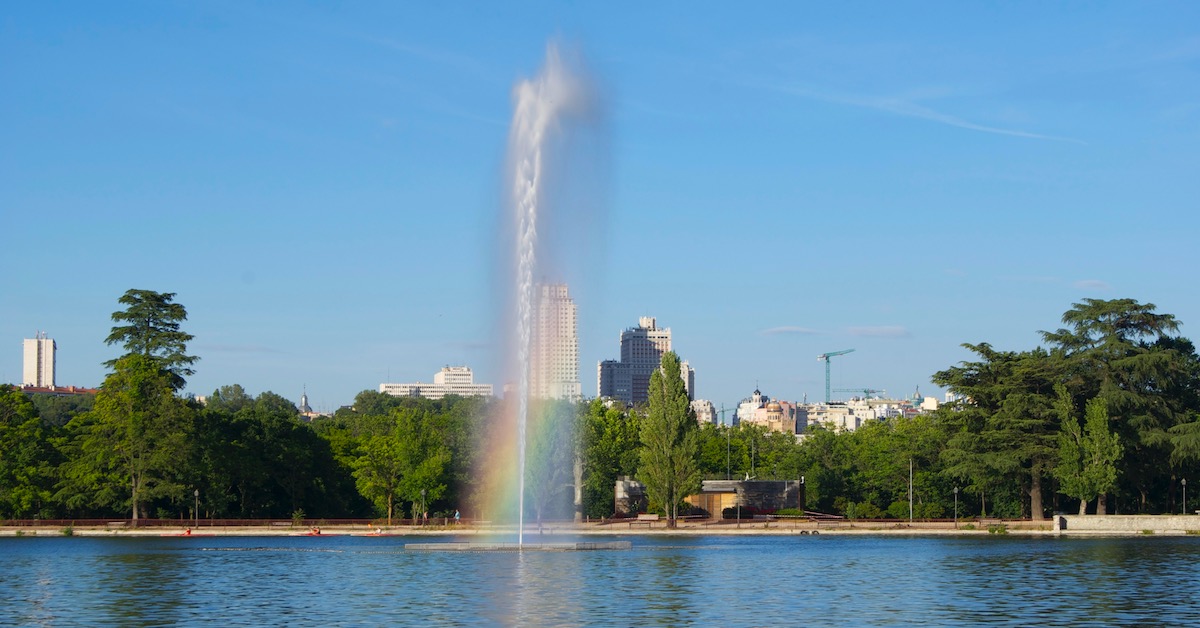
Casa de Campo, Spain: Off The Beaten Path


Located near Plaza Mayor and Puerta del Sol, Madrid’s Las Letras neighborhood is easy to wander into on accident, but is also well worth spending some intentional time in. As largely pedestrianized area, you can meander down the streets and weave your way in and out of delightful shops and eateries. Calle de las Huertas is particularly known throughout the city for its trendy shopping scene. When the sun goes down, the clubs and theaters come to life and Plaza de Santa Ana sits at the center of it all with numerous outdoor dining spots with great ambience.

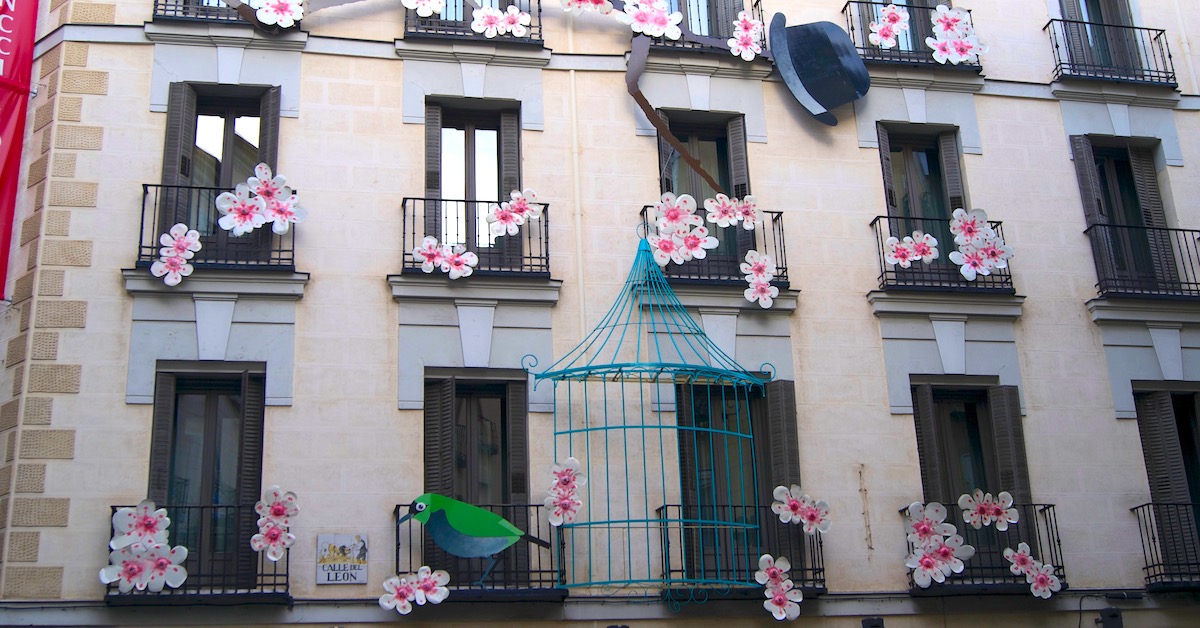
But what truly makes Las Letras unique is what made it the Literary Quarter in the first place. It was once home to some of Spain’s most famous writers, from Tirso de Molina to Miguel de Cervantes. Tribute is paid to its artistic history through the pieces decorating the neighborhood. Cobblestone streets are inscribed with excerpts from those writers. Bicycles and large plastic flowers hang from balconies. Flat sides of buildings are used as canvases for paintings ranging in style from classical to modern. And while artistic giants of the Prado and Reina Sofia museums sit nearby, Las Letras has several small galleries of its own.
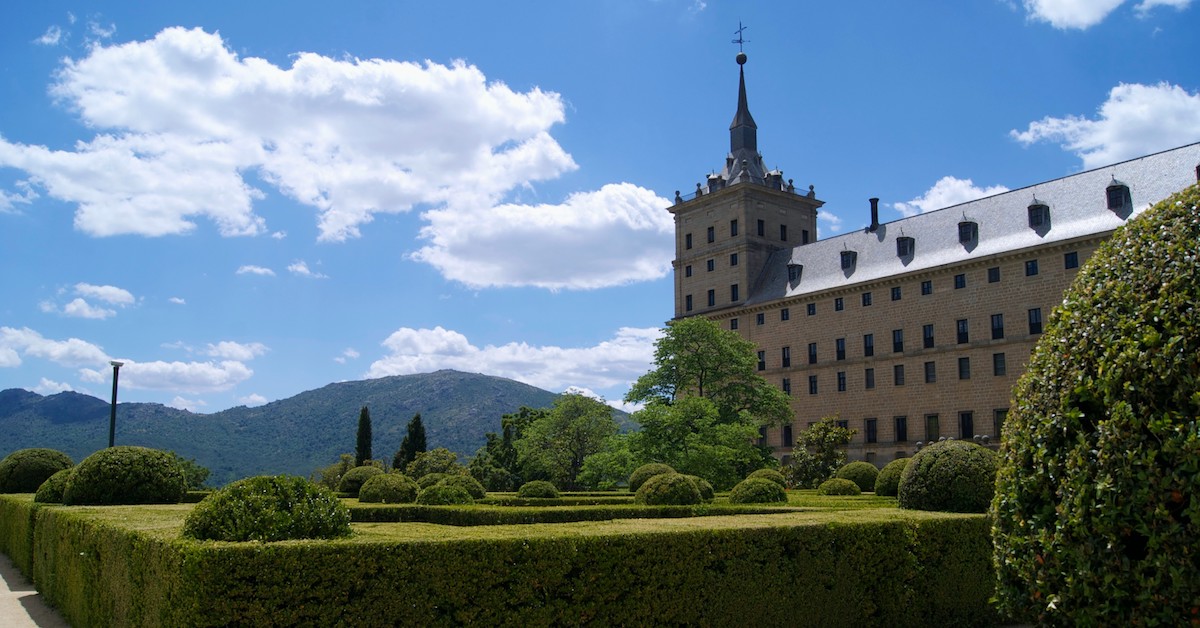
The town of San Lorenzo de El Escorial is most known for its royal monastery, built under the reign of King Philip II, who also wanted it to serve as a palace and a burial place for his father. Construction took over twenty years with multiple additions made along the way, adding up to the massive structure that soars out of the mountains. Since 1984, both the monastery and much of its surrounding territory has been a UNESCO World Heritage site. While the inside of the monastery is famed for its Renaissance art and awe-inspiring library, the Jardin de Los Frailes that lines the outside is equally stunning.

Hedges carved in maze-like patterns are spread around this garden, offering fantastic views of not only the monastery, but also of Madrid’s sprawling Sierra de Guadarrama. For a pop of color in late spring and early summer, bright pink peonies bloom along the stone walls and blue pools of water reflect the sunny Spanish sky. Tours can sometimes crowd the inside of the monastery, but the Jardin de Los Frailes doesn’t suffer the same problem, as many groups skip over the outside areas almost entirely. Free to enter, the garden is quiet and spacious, with an ideal landscape that masterfully blends architecture and nature.
As a diverse landscape pulsing with sunshine and celebration, Spain is suited for the perfect trip to kick off the rest of your lives together. Whether the two of you wish to deepen your relationship through historical city tours and long hikes or oceanside lounging and wine tasting, you can’t go wrong with any combination of these Spain honeymoon destinations.
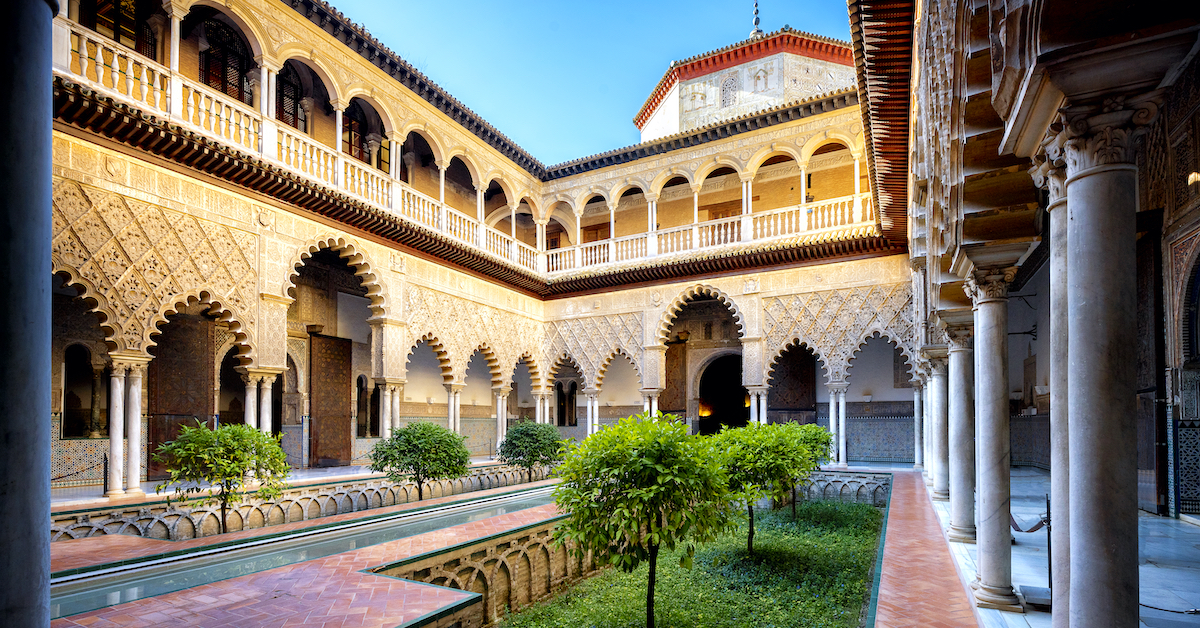
If your honeymoon is also your first time to Spain, consider a crash course in the country’s culture by visiting its three most popular cities; Barcelona, Madrid, and Seville. Each city offers top-notch cuisine and fascinating history, while also specializing in their own cultural cornerstones.
Barcelona caters to architecture aficionados with Antoni Gaudí’s masterpieces, such as Parc Güell and La Sagrada Familia. Madrid has an abundance of museums for a visual art lovers to spend hours in, from the ubiquitous El Prado and Reina Sofia to lesser-known treasures like the Sorolla Museum. And for those enamored by Spain’s dance scene, look no further than Seville for inspiring flamenco performances or, if the two of you are feeling brave, lessons.
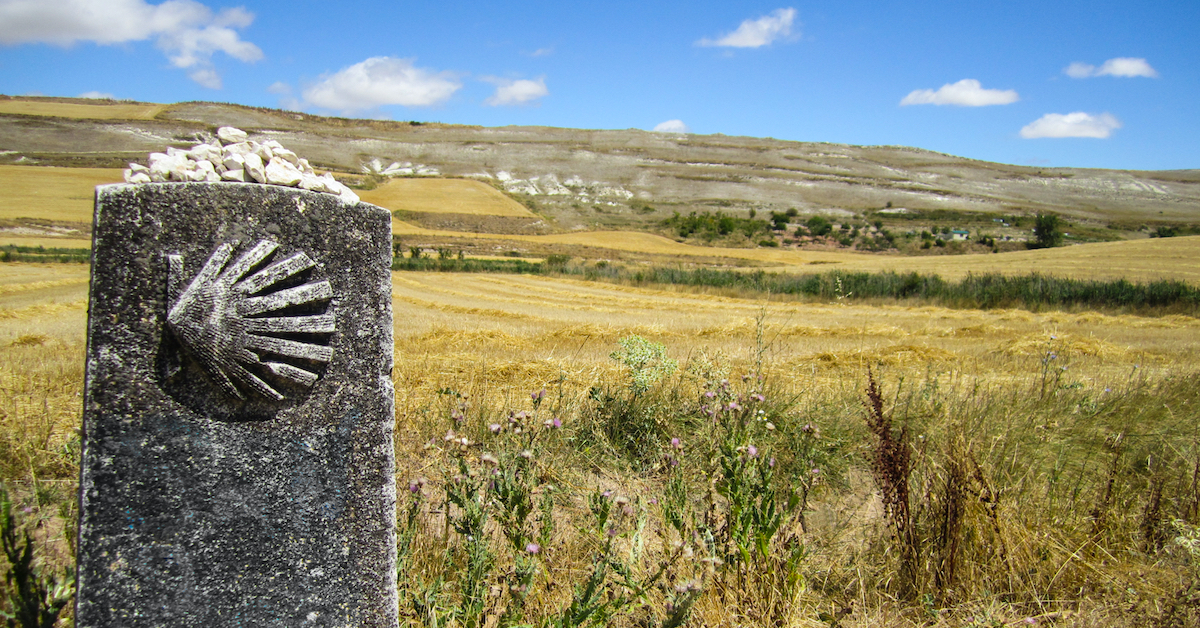
Meanwhile, Basque Country is one of those ideal Spain honeymoon destinations for the couple who would like to stray a little off the beaten path while still enjoying a taste of everything the country has to offer. Experience the pristine beaches of San Sebastián or tour Bilbao’s historical Casco Viejo. And to delve into cuisine, snack on the Basque version of tapas, pintxos, and take a day trip into the Rioja region to sample world-renowned wine.
This is also a bucket-list destination for many outdoorsy couples, with two routes of the Camino de Santiago pilgrimage running through the region. You could simply spend a day on one of the trails, or you could really hammer in that new commitment to each other by hiking the five-day portion from San Sebastián to Bilbao.
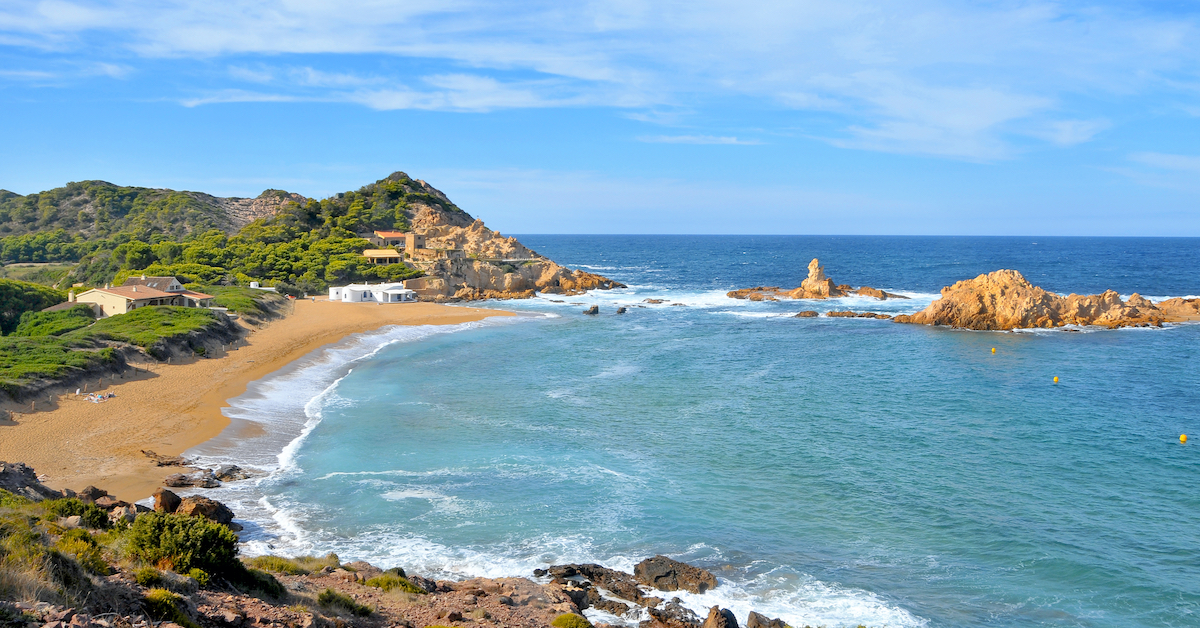
With the chaos of wedding planning behind you, take this time to let loose by spending days soaking up sun on sandy beaches and nights partying through gorgeous medieval streets in the Balearic Islands. While Spain’s countless festivals make the whole country vibrant year-round, Ibiza and Mallorca stand out as vibrant centers with frequent visits from high-profile celebrities giving it an exclusive vibe similar to that of France’s St. Tropez.
After you’ve had your fix of celebrating your marriage into the wee hours of the morning along the shores of those islands, unwind with laidback quality time together on the less-bustling Menorca or Formentera. The nightlife may not be as pulsing, but the coasts are equally beautiful and there are plenty of little gems to be uncovered.
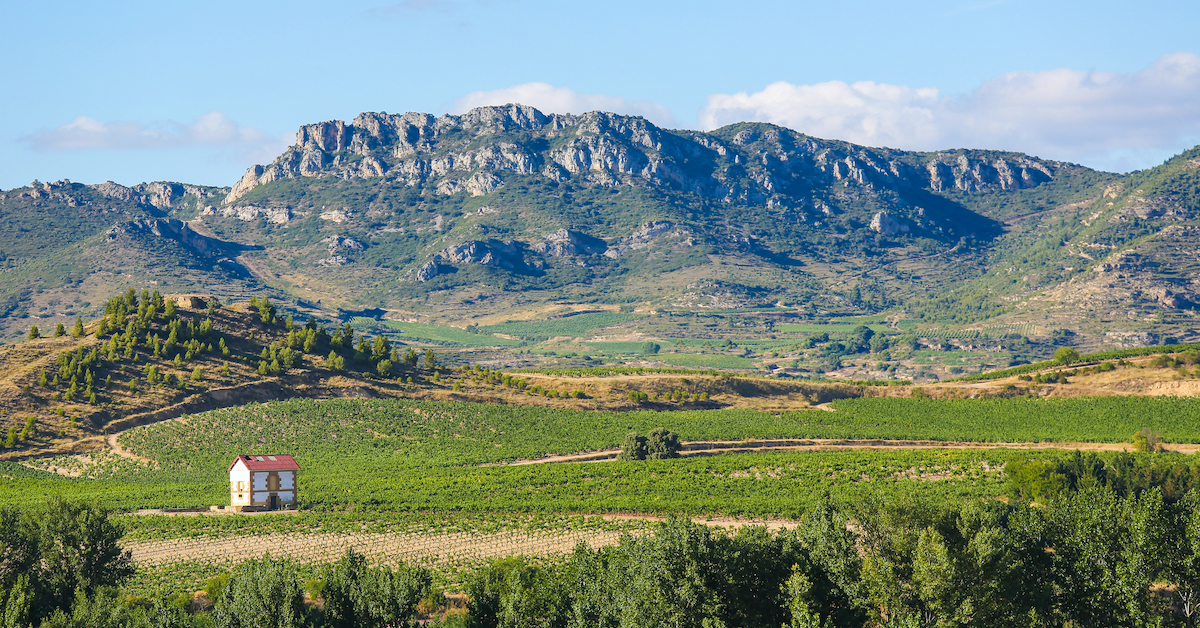
For the couple that loves to sample new wines together, you could easily spend an entire honeymoon winding your way from the coasts to the mountains throughout Spain’s wine country. As one of the biggest producers of wine in the world, regions like Rioja and Priorat are essential to not only Spain’s economy, but also its culture. After all, this country is also the originator of dozens of wine cocktails, from sangria to tinto de verano (red wine mixed with lemon soda).
If red wine isn’t where your passions lie, consider the Rueda or Penedès regions, which specialize in white wine and cava (Spanish sparkling wine), respectively. Almost all of these regions lie incredibly close to major cities, allowing you to spend less time in transit and more time curled up together in unique winery hotels with a glass in hand and sprawling vineyards laid out before you.

A neoclassical-romantic estate museum, and the oldest garden in Barcelona, the Parc del Laberint d’Horta makes for a picturesque afternoon in nature. With ornate fountains, marble statues, and a reflection pool all vying for your attention, the main attraction of this grand garden surely is its extravagant cypress maze.
Entering the park, you’ll walk through an ornate gate and notice the palace of the Desvalls (the original owners of the property). The Desvall’s neo-classical estate began work in 1791, and was renovated and updated in the mid-19th century, adding a romantic garden that included a waterfall, gazebos, and plenty of flower beds. If you look close enough, you’ll notice depictions of Greek mythology on the sculptures and architecture.

When you’re feeling brave, head to the neoclassical garden, down to the lower terrace, and enter the winding labyrinth. Make your way around corners and down corridors of pollarded cypress trees until you reach the center of the maze: the statue of Eros. If you can find your way back out of this winding puzzle, your next stop is the two pavilions: the first was created in the Italian style featuring temples, columns, and statues. The second is dedicated to the nine muses and is home to a large pond and natural spring.
Continuing towards the romantic garden, you’ll find beautiful flower beds surrounding various motifs alluding to themes of death. If you head all the way down to the northernmost end of the romantic garden, you’ll find a stunning waterfall covered in moss.

Parc del Laberint d’Horta has stood the test of time, and changed with time to become the glorious estate it is today. With a plethora of nooks, pavilions, and corners to explore, this garden makes for a romantic and adventurous day out!