Stone archways lining blue water leading into the Venetian Arsenal

Venetian Arsenal, Italy: Off The Beaten Path


Existing in part as early as the 8th century, the Venetian Arsenal is a vast complex of shipyards and armories now open to the public for exploration. Featuring outdoor spaces and a walking bridge, possibly the most interesting feature on the grounds is the Piraeus Lion statue at the main gate. With a perplexing inscription and intimidating 9-foot stature, this lion demands the attention of all who question the naval power of the republic of Venice.


Spanning about 110 acres (or about 15% of Venice), the Venetian Arsenal was the largest industrial complex in not only Italy, but the entirety of Europe before the Industrial Revolution. The trading vessels built here generated a large portion of Venice’s wealth and power throughout the centuries. The main gate “Porta Magna” was created around 1460 as one of the first works of Venetian Renaissance architecture.
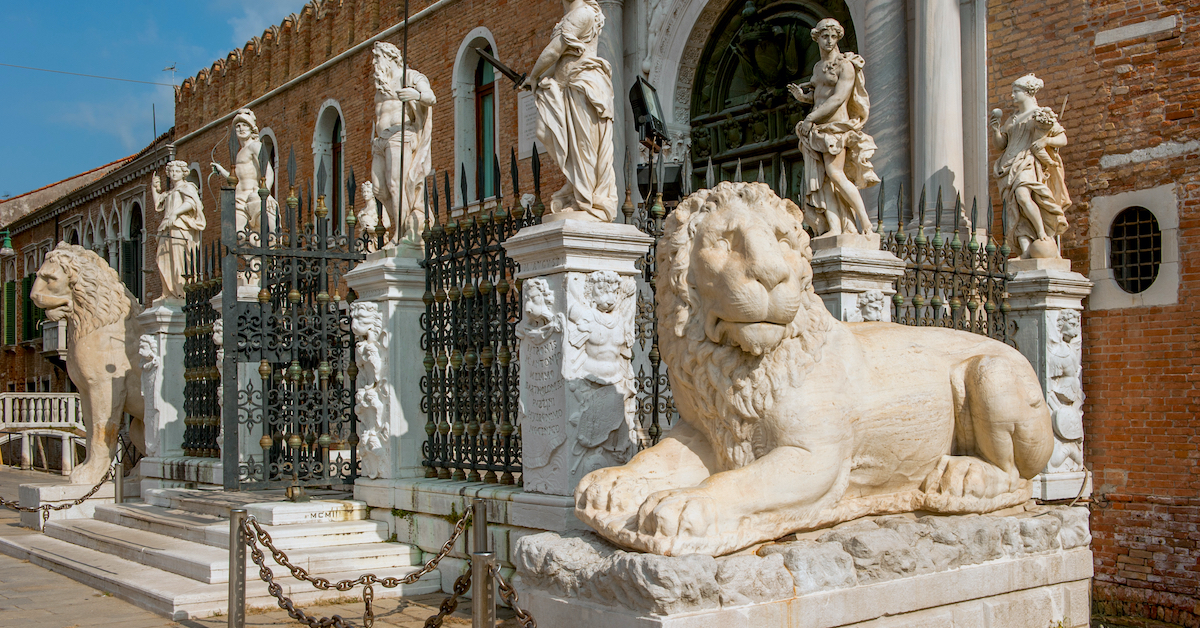
 

Two marble lion statues in from of the ornate gate of a reddish stone building

© Javarman | Dreamstime.com


Later in 1687, two white marble lions were plundered in Athens and brought to Venice to stand guard next to the main gate, giving the name “Porto Leone” or Lion Port. One of the sculptures, known as the Piraeus Lion, was displayed as a symbol of Saint Mark, Venice’s patron saint. Originally created around 360 BC, the lion was defaced by Scandinavian mercenaries in the 11th century. With runes carved in a dragon-like scroll on the shoulders of the lion, many have tried to decipher the meaning. Take a look for yourself; what is the Lion of Saint Mark telling you?


Featured image: © Andersastphoto | Dreamstime.com


Colorful lines painted on the side of a building in Las Letras, Madrid

Las Letras, Spain: Off The Beaten Path


Located near Plaza Mayor and Puerta del Sol, Madrid’s Las Letras neighborhood is easy to wander into on accident, but is also well worth spending some intentional time in. As largely pedestrianized area, you can meander down the streets and weave your way in and out of delightful shops and eateries. Calle de las Huertas is particularly known throughout the city for its trendy shopping scene. When the sun goes down, the clubs and theaters come to life and Plaza de Santa Ana sits at the center of it all with numerous outdoor dining spots with great ambience.


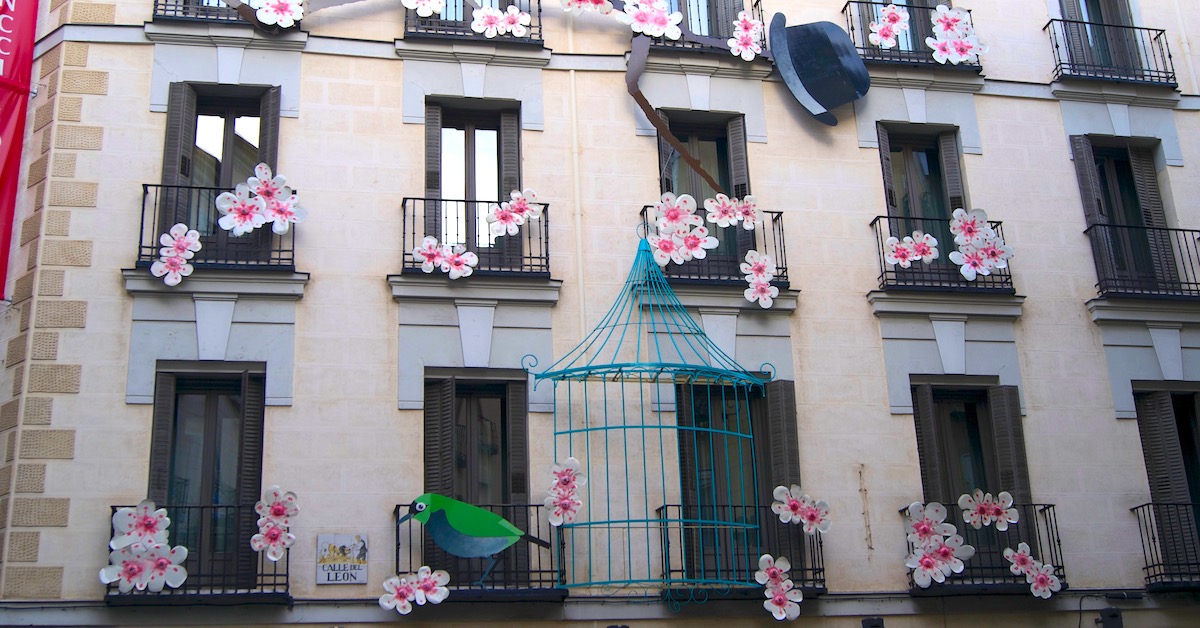
Decorations of a bird, a bird cage, and pink flowers hang from balconies of the same building in Las Letras, Madrid


But what truly makes Las Letras unique is what made it the Literary Quarter in the first place. It was once home to some of Spain’s most famous writers, from Tirso de Molina to Miguel de Cervantes. Tribute is paid to its artistic history through the pieces decorating the neighborhood. Cobblestone streets are inscribed with excerpts from those writers. Bicycles and large plastic flowers hang from balconies. Flat sides of buildings are used as canvases for paintings ranging in style from classical to modern. And while artistic giants of the Prado and Reina Sofia museums sit nearby, Las Letras has several small galleries of its own.


View through a series of stone archways out toward mountains and green plants of the Villa Cimbrone Gardens

Villa Cimbrone Gardens, Italy: Off The Beaten Path


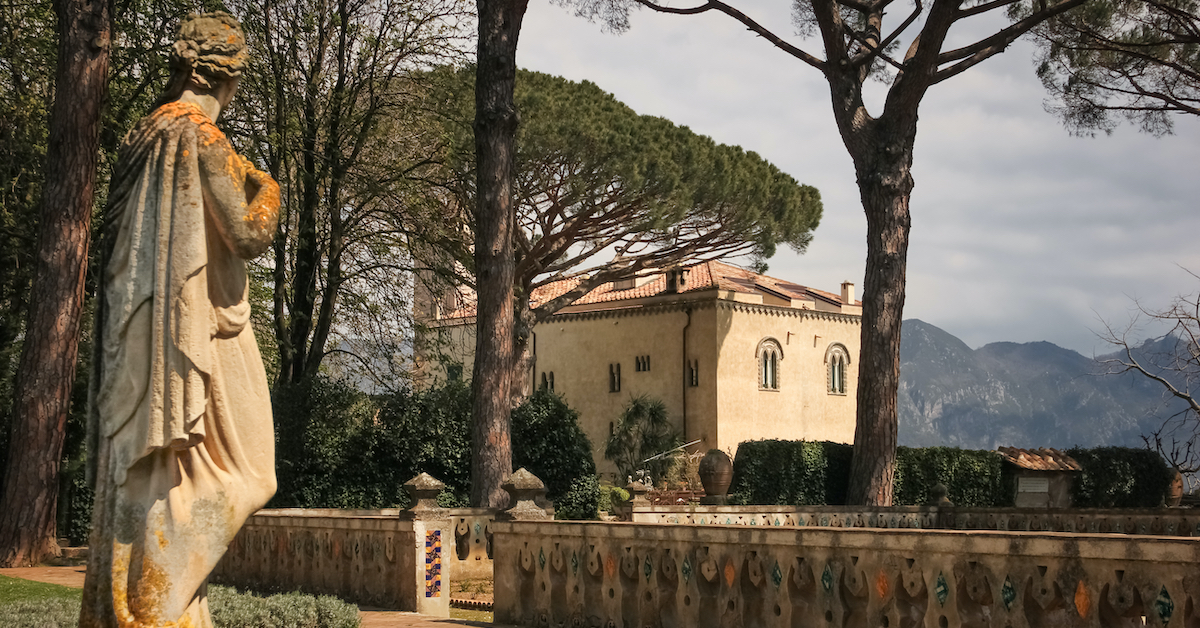
The Villa Cimbrone Gardens are a culmination of prestige, beauty, and the rich history of Ravello’s golden era. Earning its name from the jagged cliff on which it’s perched, the lush estate offers guests sweeping views over the Mediterranean sea as well as a peek into the ornate architecture, marbled statues, and flowering greenery of coast of Campania.


Originally belonging to the aristocratic Acconciajoco family in the 11th century, the property has passed hands several times over the centuries. It was extensively renovated in the early 20th century by British nobleman, Lord Grimthorpe, and is now a public historical sight.


Rear view of a statue of a woman on the left with a beige stone house, trees, and mountains in the background of the Villa Cimbrone Gardens

© Daniel M. Cisilino | Dreamstime.com


The botanical garden sits adjacent to an exclusive 5-star hotel that shares its name, and is often used for weddings and receptions due to its stunningly romantic atmosphere. The Terrace of Infinity is perhaps the most breathtaking spot on the premises; the long patio parallels the horizon and is dotted with marble busts along the rim. Where sculpture meets coastline, and water meets sky… that is where magic happens.


The Ally of Immensity is the main walkway through the estate and features a wisteria-covered pergola in summer. Within the gardens, visitors will find temples and statues, pottery and stonework, as well as a cloister and crypt: all pointing the the artistry that has been so meticulously preserved.


With its classical styling and aura of days gone by, the Villa Cimbrone Gardens are recognized as an important cultural heritage site that all who visit the Amalfi Coast shouldn’t miss.


Featured image: © Daniel M. Cisilino | Dreamstime.com


Aerial view of the small city of Provins, France with a large wall forming a boundary along one side and greenery and stone buildings in the center

Provins, France: Off The Beaten Path


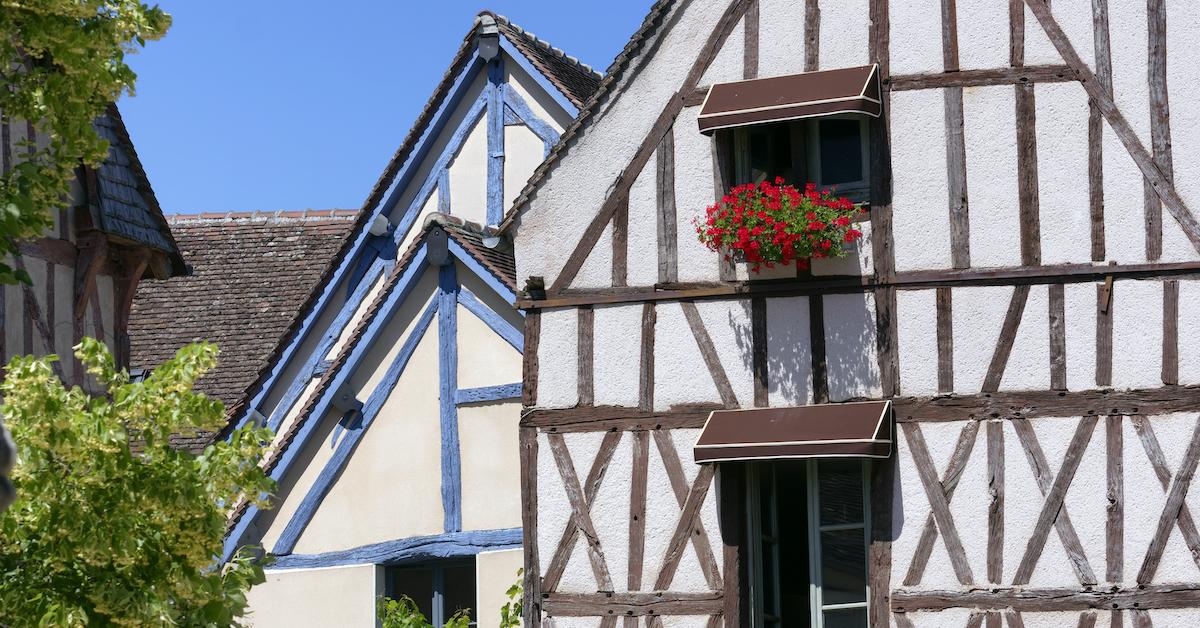
If you’re looking for a day trip from Paris that isn’t Versaille, the charming medieval town of Provins is a beautiful spot for an afternoon of open-air exploration, historical importance and local treats! Stroll through this UNESCO World Heritage site, visiting Caesar’s Tower, the stone Tithe Barn and the original timber houses with thatched roofs and colored shutters.


Walk around the intimidating fortified walls before heading through the grand Saint-Jean gateway and into the center of the historic town. Here, you’ll find shops with local delicacies including “brie de Provins,” niflettes (puff pastry cakes filled with cream), and pink confectionaries including rose petal jam, or rose honey. Some of the shops are closed to the public, but instead sell their sweets and goods out their windows!


Stone houses with wooden medieval trim and bright reds flowers in planter boxes below the windows

© Bensliman HassanDreamstime.com


Continuing on, you’ll find the Tithe Barn which was once used as a market and hosted an annual trade fair, as Provins was once a major trade hub in medieval France. from there, seek out Caesar’s Tower: an octagonal tower built in the 12th century where visitors can climb to the top and savor the view of the town. Some additional monumental stops include: Maison Romane (one of the oldest buildings in Provins that contains a museum featuring collections of sculptures, pottery and religious relics), as well as the picturesque Old Hospital and Holy Spirit Cellar.


Known throughout the centuries as home to the largest fairs in the region, Provins holds onto that reputation today. Every June, the city hosts a medieval fair to celebrate the traditions of the past, featuring games, food and costumes typical of the medieval times. Please note, the hosting weekend varies per year.


Featured image: © Leonid AndronovDreamstime.com


Hvar lavender fields at sunset with the sea and mountains in the distance

Hvar Lavender Fields, Croatia: Off The Beaten Path


Most people associate lavender fields with France, thanks to the purple rolling hills across the Provence region, from the Valensole Plateau to the Luberon Valley. Not many people would even guess that Croatia has any lavender fields at all, let alone on an island not far off the coast from Split or Dubrovnik, Hvar. Despite often being nicknamed the “Lavender Island”, Hvar is best known for its beaches and stone fortresses, leaving these fields as a hidden gem of sorts in Croatia.


Just 50 years ago, these fields accounted for 8% of of the world’s lavender production, but since then emigration and forest fires have severely shrunk the once booming industry. Now going through a revival period, the sight of these colorful shrubs with the turquoise Adriatic Sea in the background remains something truly special.


Each June, a Lavender Festival is held in the village of Velo Grablje, where unique treats and souvenirs like lavender-flavored ice cream and lavender honey become more abundant in celebration. With a more active role, you can discover the freshest lavender oil you’ll ever encounter by following it through the harvesting and distilling process. This festival is also important to the revival of the fields, bringing them needed money and attention.


Featured image: © Rostislav_sedlacek | Dreamstime.com


Bright pink peonies in Jardin de Los Frailes growing along the stone wall of San Lorenzo de El Escorial

Jardin de Los Frailes, Spain: Off The Beaten Path


The town of San Lorenzo de El Escorial is most known for its royal monastery, built under the reign of King Philip II, who also wanted it to serve as a palace and a burial place for his father. Construction took over twenty years with multiple additions made along the way, adding up to the massive structure that soars out of the mountains. Since 1984, both the monastery and much of its surrounding territory has been a UNESCO World Heritage site. While the inside of the monastery is famed for its Renaissance art and awe-inspiring library, the Jardin de Los Frailes that lines the outside is equally stunning.


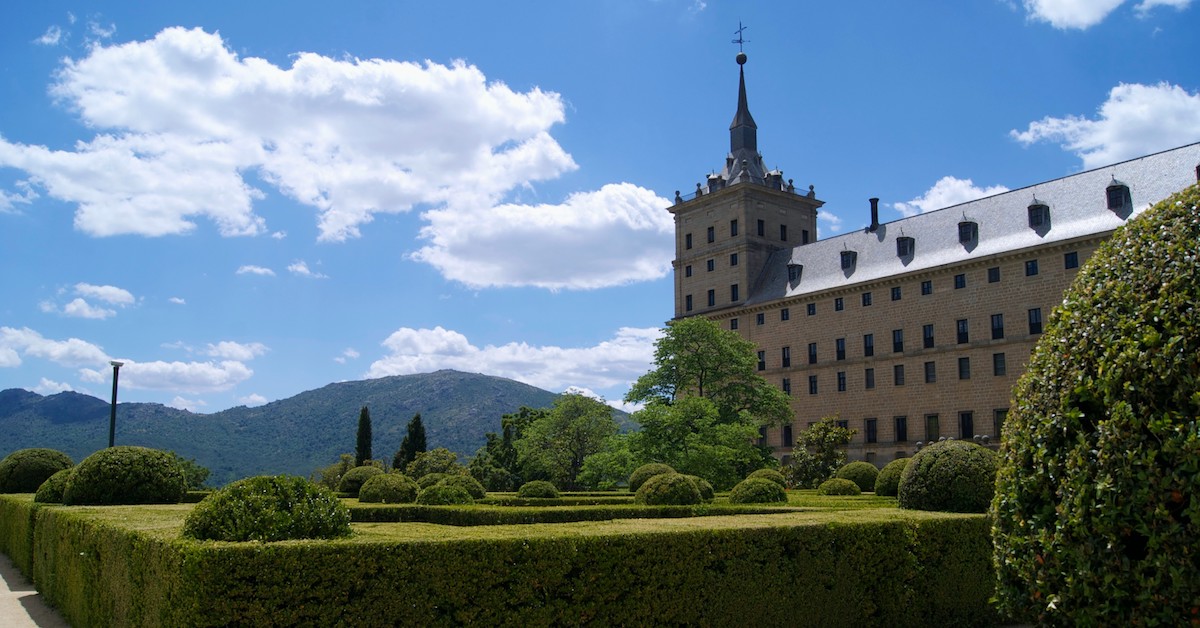
Maze-like hedges of Jardin de Los Frailes in the foreground with the massive beige monastery of San Lorenzo de El Escorial in the background


Hedges carved in maze-like patterns are spread around this garden, offering fantastic views of not only the monastery, but also of Madrid’s sprawling Sierra de Guadarrama. For a pop of color in late spring and early summer, bright pink peonies bloom along the stone walls and blue pools of water reflect the sunny Spanish sky. Tours can sometimes crowd the inside of the monastery, but the Jardin de Los Frailes doesn’t suffer the same problem, as many groups skip over the outside areas almost entirely. Free to enter, the garden is quiet and spacious, with an ideal landscape that masterfully blends architecture and nature.


The amphitheater of Delphi in the foreground with the Temple of Apollo in the middle ground and mountains in the background

Temple of Apollo, Greece: Off The Beaten Path


With a controversial and highly polarizing history, the Oracle of Delphi, otherwise known as Pythia, made quite the reputation at the Temple of Apollo. Shrouded in mystery, magic, and occult activity, the temple of oracles now lay in ruins; it is the perfect place to explore the mysteries of the ancient world and the superstitions that swirled within it.


Built and rebuilt several times throughout the centuries, the Temple of Apollo has had a rocky past. One of which centered around the high priestess and oracle Pythia that was established in the 8th century BC, and was known for hallucinations, frantic oracles, and trances.


According to some sources, the Pythia would sit on a perforated tripod centered over a fissure in the rock which would emit sweet smelling gasses from the earth; these fumes would send the Pythia into an altered state of mind and physicality in which she could deliver her oracle. With low doses of the gases, the Pythia would remain calm and deliver her thoughts, which were said to be the direction of the gods. With high doses, the Pythia would move into a frenzied state, thrashing about, wildly screeching, and chanting.


Although the science behind the chasm fumes have been highly debated over the years, the Temple of Apollo is an incredible place to explore, learn, and reflect on the practices of the ancient world. You may not find the chasm with mysterious fumes, but you’re sure to be amazed by the architecture, layout, and spectacular views of this ancient temple.


Featured image: © Emicristea | Dreamstime.com


Bright blue flowers in the foreground with the stone buildings of Castello Aragonese surrounded by bright blue water in the middle ground

Castello Aragonese, Italy: Off The Beaten Path


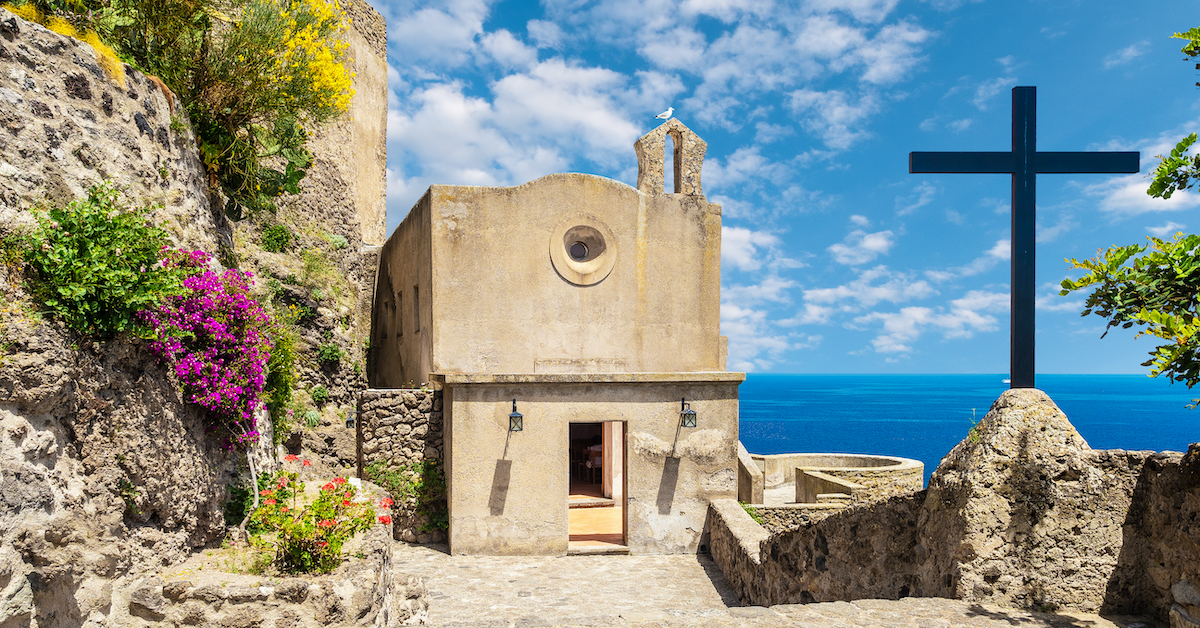
Suspended between air and sea, Castello Aragonese is a city in the sea. Sitting atop a volcanic rocky islet protruding from the northern end of the Gulf of Naples, the Aragonese Castle offers incredible views of the island of Ischia, as well as a cultural and historical perspective of rebirth.


Take the Path of the Sun along the rim of the islet and follow it through rich vegetation of olive trees, pomegranates, prickly pears and figs, for a panoramic view of nearby islands. Next, visit the Church of Saint Maria Dell Grazie, or the Church of the Madonna Della Libera for a spiritual experience above the sparkling aquamarine waters. From there, head to the House of the Sun, where remnants of homes dating to various eras are preserved as valuable architectural structures.


Small beige stone church with a tall black cross next to it and ocean in the background

© Marius Dorin Balate | Dreamstime.com


Originally built in 474BC by Hiero I of Syracuse, the castle was built as a military point to monitor enemy fleets. Over the centuries, the islet was captured and recaptured by Parthenopeans, Romans, pirates, the British, as well as the French, until it was sold to a private owner, the Mattera Family in 1912. The Mattera Family still owns the property and has revitalized the islet, bringing together the history, culture, and art of the castle.


Over 25 centuries, the Aragonese Castle has been home to convents, churches, prisons, and lush gardens; it is now building on that history as a sought out spot for globe trotters and locals alike. From rooftop restaurants to summer concerts, theatrical performances, and film festivals, there is no shortage of entertainment within Castello Aragonese.


Featured image: © Marius Dorin Balate | Dreamstime.com


Water leading into a cave in the Villa of Tiberius in Italy

Villa of Tiberius, Italy: Off The Beaten Path


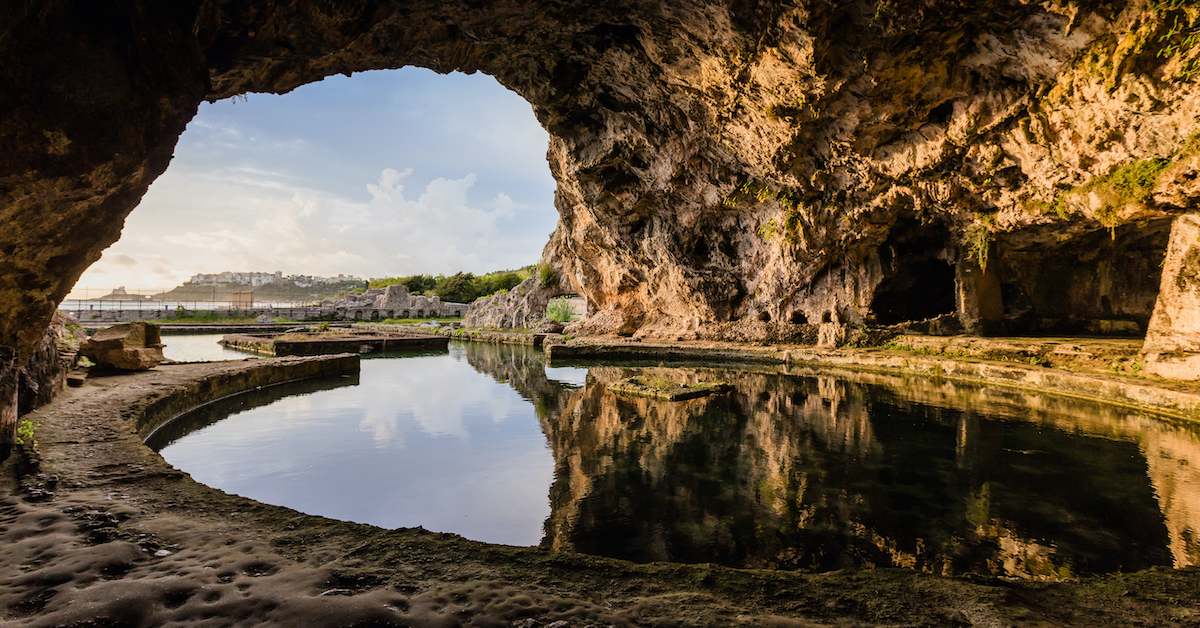
Just outside of quaint coastal town Sperlonga in Italy, you’ll find the Villa of Tiberius: a series of terraces facing the sea, and home to an ancient Roman sea grotto and the spectacular Sperlonga sculptures. With an archaeological museum on site, visitors can learn about the history and art of the excavation site, before heading down to the water to explore the ruins.


Inside of the cave in the Villa of Tiberius looking out toward the town of Sperlonga in the distance

© Pavel068 | Dreamstime.com


On the edge of the Pontine Marshes, the town of Spelunca (Latin for cave) was only known for the grotto located on its shore. It grew in significance only when a luxurious villa was built and owned, along with the cave, by Tiberius (emperor between 14 to 37 AD). Along with creating magnificent fish ponds and terraces to overlook the landscape and sea, Tiberius decorated the grotto with expensive sculptures, busts, and statues from well known artists of the time. The giant works of art depict tales of Odysseus, mythical king of Ithaca and his journeys, triumphs, and adventurous character.


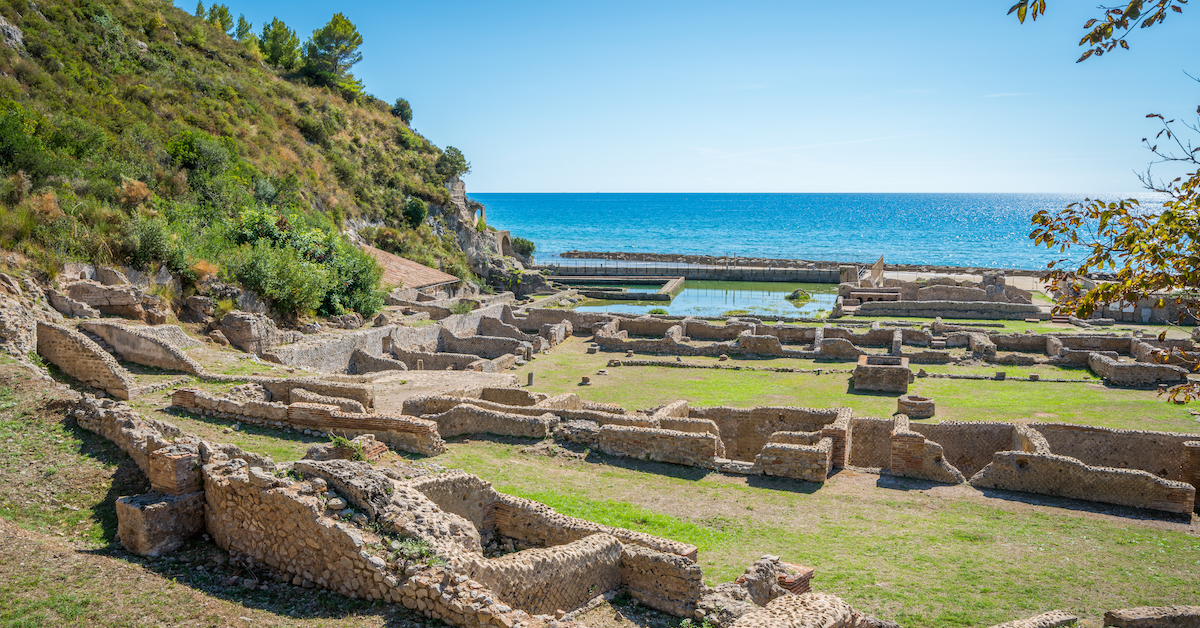
Short ruins scattered about grass with a cliffside on the left and ocean in the distance

© Stefano Valeri | Dreamstime.com


Always a known villa, but whose whereabouts where unknown, the Villa of Tiberius was finally discovered in 1957 while some builders were constructing a coastal road near the site. After delicate reconstruction and preservation, the property is open to the public to explore. Wander down the hilly slope, past the Mediterranean vegetation, until you hit the imperial palace. Meander past the low walls, admire the view of the sea, and head in the direction of Odysseus’s cave. It still holds the history of emperor Tiberius and the tales of the great Odysseus.


Featured image: © Pavel068 | Dreamstime.com


Spinalonga, Greece: Off The Beaten Path


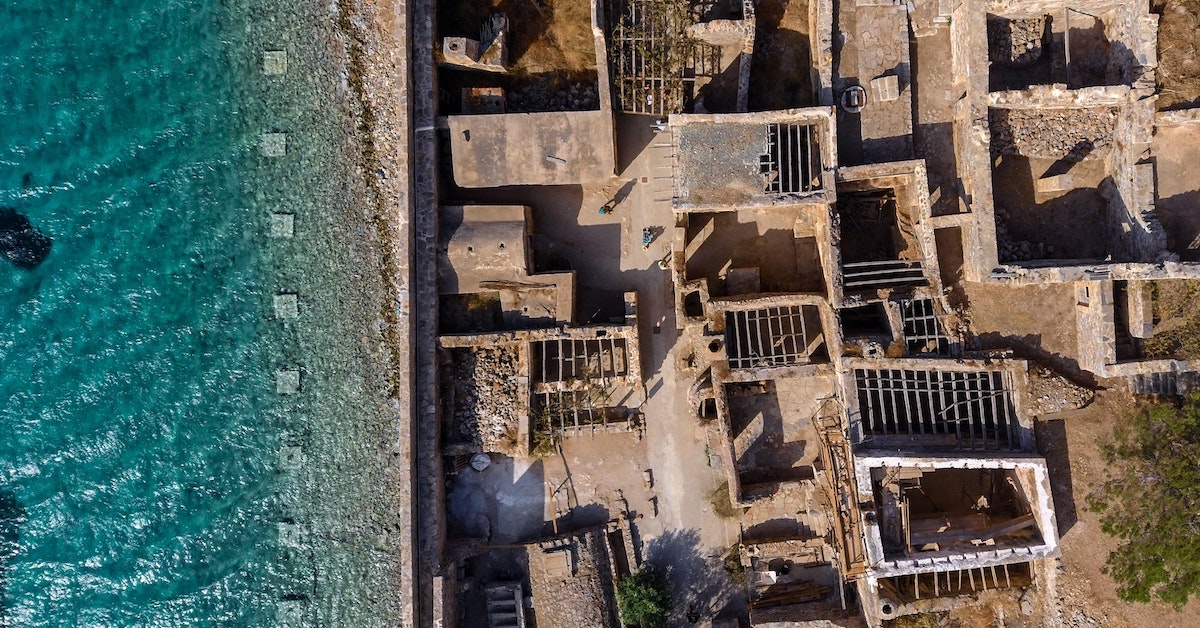
Right off the shore of north-eastern Crete, standing tall in the Gulf of Elounda, Spinalonga is a small, rugged islet that has earned the name “Island of the Outcasts,” due to its rocky past. With a difficult history, full of love and pain, Spinalonga is still a beautiful spot to learn, reflect, and explore.


As a natural protective barrier for the port of Elounda, Spinalonga was fortified by the Venetians in 1579 with a strong fortress sitting atop of ancient ruins. Attempting to ward off Ottoman pirates didn’t last long; the island fell to the Ottoman Turks in 1715. In 1904, the Cretans evicted the Turks, creating a space to keep the most vulnerable in society.


Aerial view of Spinalonga with blue ocean on the right and fortress ruins on the left

© Error 420 | Unsplash


Perhaps the most well known portion of this small island’s history took place within 54 years; from 1903 to 1957, Spinalonga was used as a leper colony. While many of the people with leprosy lived in caves away from society, the Cretan government relocated over 400 leprosy-affected citizens to Spinalonga at a time. With poor living conditions, the colony residents had to fight for basic rights including ability to marry, open shops, and have access to a pathway beyond the fortress walls.


With a cure for leprosy developed in the early 1940s, it is curious that the island continued functioning as a colony until 1957. Although its story is hard to swallow, Spinalonga is continuing to tell it. Along with the warm breeze, the clear blue waters and spectacular views, Spinalonga also offers a story of pain, redemption, and beauty.


Featured image: © Error 420 | Unsplash