La Scarzuola_feature

La Scarzuola, Italy: Off The Beaten Path


A surreal and magical place, with hidden chambers and mysterious symbolism, La Scarzuola is a fairytale convent with an evocative atmosphere. From extravagant mosaics to looming gargoyles and the all-seeing-eye, this 16th century monastery-turned-haunting-wonderland is characterized by an astronomical and labyrinthine feel.


According to medieval chronicles, this is the place where Saint Francis of Assisi planted a rose and a laurel; miraculously, a fountain sprung up and flowed. Saint Francis built himself a hut at the spot in 1218, and the counts of Marsciano later constructed a church and convent complex in its place as a remembrance of the miracle.


In 1956, the complex was bought by milan architect Tomaso Buzzi and transformed it into his idea of an “ideal city.” Apparently inspired by Francesco Colonna’s romantic story, “Hypnerotomachia Poliphili,” the architectural style best associated with La Scarzuola is neo-mannerism; the use of stairs in various directions, the deliberate disproportion of some structures, the heaping together of buildings and monuments, they all point to his bizarre and slightly idealistic vision. With 7 theaters and an eccentric design, this “lay city” was quite the contrast to the “holy city” adjacent to it.


A sort of “autobiography in stone,” La Scarzuola is a physical reflection of Buzzi’s philosophical inner life as well as an interpretation of the unconscious mind. A modge-podge of familiar monuments (Arc de Triomphe, Parthenon, etc) are intertwined with dark symbolism in layers of structures and winding corridors, all paralleling and defying the church convent next door. As a real eschatological allegory of existence, La Scarzuola is worth traveling to Italy’s Umbria region for.


Featured image: © JavarmanDreamstime.com


Quinta da Regaleira, Portugal: Off The Beaten Path


A UNESCO World Heritage Site close to Lisbon, Quinta da Regaleira is a grand estate that’s home to a mystical and luxurious palace, as well as secret tunnels, and enchanting gardens peppered with pagan symbolism. Explore the lush greenery and winding paths, while knowing you’re walking through history and into a modern-day oasis.


Originally constructed in the last days of the Portuguese monarchy, between 1904 and 1910, and later renovated by Italian set-designer and architect Luigi Manini, the masterpiece of today attracts travelers with exotic taste. The grand house is split over five floors and has an ornate Gothic façade, though this structural feat draws from Roman, Gothic, Renaissance, and Manueline styles.


© ZastavkinDreamstime.com


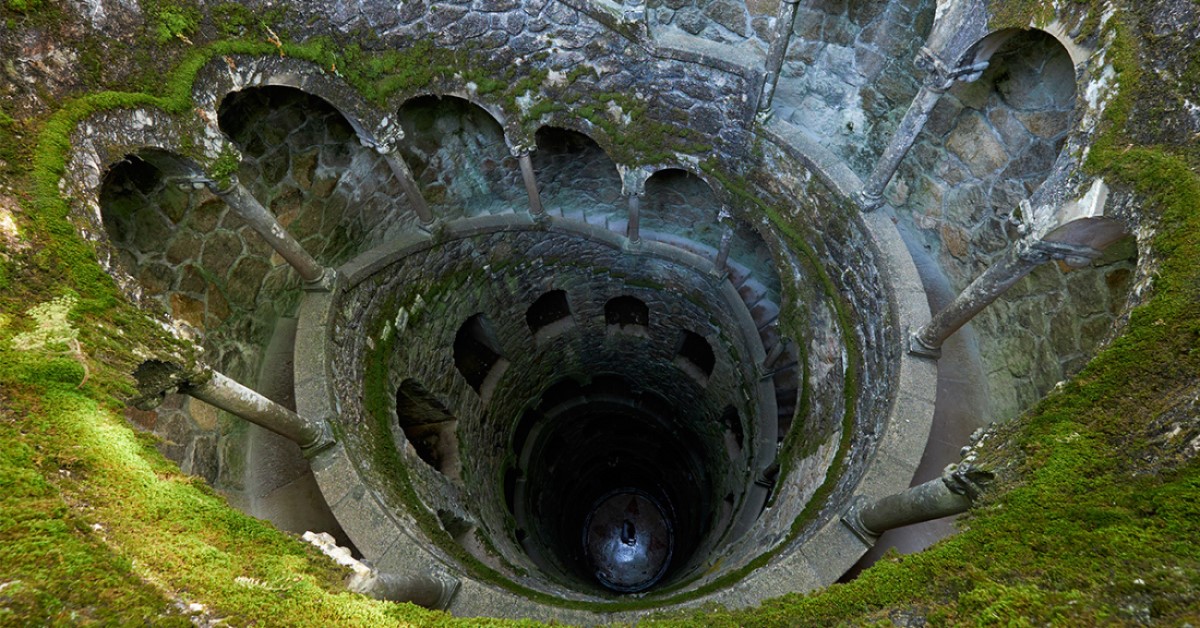
Although the palace is stunningly beautiful, the real attraction is the surrounding landscape. Featuring ornate fountains, grottoes, and statues throughout, the gardens of the Quinta da Regaleira were styled to represent ancient secret orders, with hidden tunnels, and concealed symbolism. Scattered throughout the property, you’ll find references to the Knights Templar, the Masons, and dark alchemy. Possibly the strangest feature, the Initiation Well is full of occult symbols and represents the initiation ceremony for the Knights Templar. At the bottom of the well lies a concealed passageway that runs 27 meters until it intersects with a network of underground tunnels that run the length of the gardens.


Rising from the lush forest, this Gothic estate holds mystery and adventure waiting to be sought out.


Featured image: © Tata103Dreamstime.com


Baia_feature

Baia, Italy: Off The Beaten Path


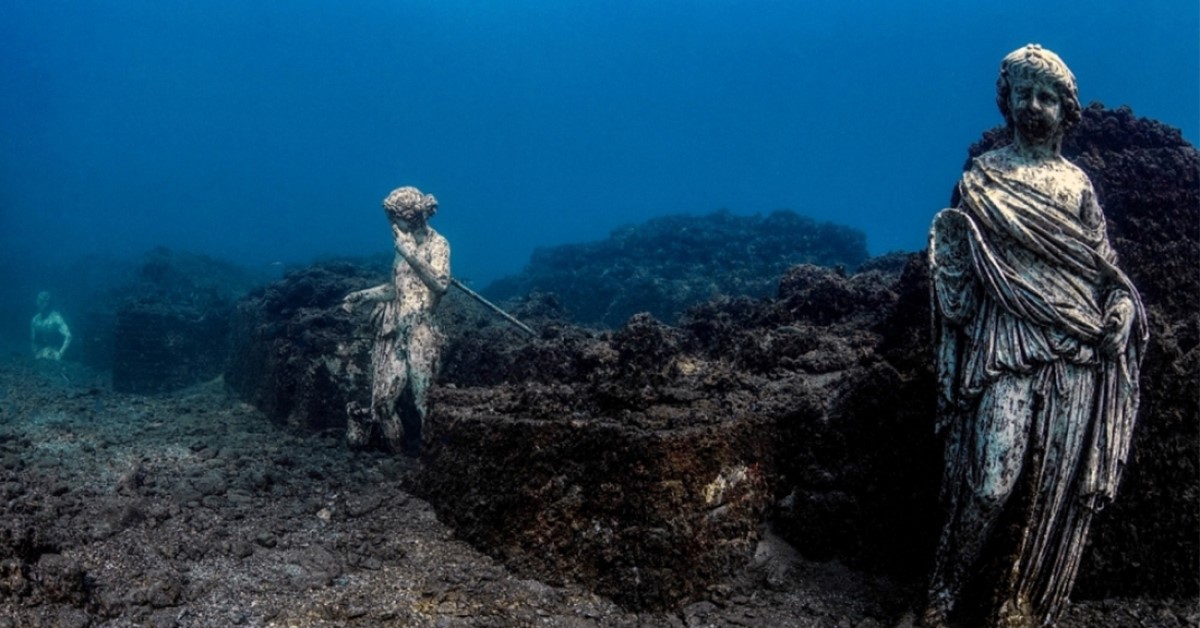
On the northwest shore of the Gulf of Naples, there’s an enchanting glimpse of history in the depths of the sea: The Archeological Marine Park of Baia. What was once a thriving holiday resort for the ultra-wealthy Romans, Baia was later partially submerged due to volcanic activity. With an otherworldly sense of awe and quiet, explorers can snorkel or scuba dive to view the intricate mosaics, marbled floors, eerie statues, and imperial baths.


Baia_1


From 100BC to 500AD, Baia was a destination spot for the super-rich; it was deemed more fashionable than Capri or even Pompeii. Roman socialites constructed luxury summer villas that included ornate tile floors, grand columns, and beautiful murals. Down the street, these high caliper Romans would seek out mineral baths that were set atop local hot springs. They were truly living in extravagance.


But opulence and vice sometimes go hand in hand. Along with the riches and fame, Baia was notorious for its rumors of scandal, corruption, and hedonistic offerings. Sextus Propertius characterized Baia as a “den of licentiousness and vice,” while Seneca the Younger describes it in one of the moral epistles as a “vortex of luxury” and a “harbor of vice.” With a dark side to its fame, Baia was attacked during the Barbarian Invasions, as well as throughout the 8th century. It was later abandoned in 1500AD for recurrent malaria spikes.


As it was located in the Phlegraean Fields, an active volcanic area, the town eventually began sinking into the sea, with the lower part of town being fully submerged by the end of the 8th century. Today, this previously elite city includes above ground ruins (Parco Archeologico delle Terme di Baia), as well as a series of 5 underwater sites that range from 5-13 meters in depth. An incredible submerged city, Baia is an adventure waiting to happen.