Travel Insurance 101: What It Is, Why It Matters, and How It Protects Your Trip


Planning a trip is exciting, choosing destinations, imagining meals, and picturing those moments you’ve been dreaming about for months (or years). But before you finalize flights and start counting down the days, there’s one important piece of planning that often raises questions: travel insurance.

This guide breaks down Travel Insurance 101 in a clear, approachable way. We’ll cover what it is, why travelers choose it, and how it helps protect both your investment and your peace of mind while traveling.


What Is Travel Insurance?

Travel insurance is a policy designed to protect your trip and your finances if something unexpected happens before or during your travels. It can help cover certain non-refundable costs and provide support if plans change due to illness of you or a family member, delays, emergencies, or other covered situations.

Think of it as a safety net. Not something you hope to use, but something that allows you to travel with confidence, knowing you’re protected if life doesn’t go exactly as planned.

Travel insurance offers coverage options tailored specifically to international travel, helping protect you when you’re far from home.


Why Get Travel Insurance?

Travel is an investment of money, time, and anticipation. Your initial deposit is non-refundable, and as your departure date approaches, the remaining balance becomes fully non-refundable as well. Travel insurance helps protect that investment when circumstances beyond your control arise.

Many travelers also choose insurance for peace of mind. Knowing you have support if a medical issue, trip interruption, or unexpected delay occurs allows you to focus on enjoying the experience instead of worrying about what could go wrong.

For international travel especially, travel insurance is a practical layer of protection that helps you feel secure far from home.

 

tookapic | pixabay


What Are the Benefits of Travel Insurance?

The biggest benefit of travel insurance is reassurance. When plans change or the unexpected happens, you’re not navigating it alone.

Travel insurance can help:

  • Protect non-refundable trip costs
  • Reduce out-of-pocket expenses during disruptions
  • Provide assistance during emergencies
  • Offer support while traveling abroad

Rather than scrambling for solutions, travelers with insurance often have access to resources, guidance, and financial protection when they need it most.


What Does Travel Insurance Cover?

Coverage varies by policy, but most comprehensive travel insurance plans include protection for several common scenarios travelers may face.

Trip Cancellation & Trip Interruption
If you need to cancel your trip before departure or cut it short due to a covered reason, travel insurance may reimburse eligible prepaid, non-refundable expenses.

Medical Coverage While Traveling
Many plans include emergency medical and evacuation coverage, which can be especially important when traveling internationally, where your regular health insurance may not apply.

Travel Delays & Missed Connections
Coverage may help offset additional costs caused by flight delays, missed connections, or extended layovers.

Lost, Delayed, or Damaged Baggage
If luggage is lost or delayed, travel insurance can help cover essential purchases or replacement costs.

Emergency Assistance Services
Most policies include 24/7 assistance, offering help with medical referrals, coordination during emergencies, and travel support when you need it most.

It’s important to review each policy carefully so you understand what’s covered and what isn’t before your trip.


Is Travel Insurance Worth It?

For many travelers, yes. While travel insurance doesn’t prevent disruptions, it provides protection, flexibility, and peace of mind when they occur.

Whether you’re planning a once-in-a-lifetime international trip, a multi-city itinerary, or a carefully timed vacation, insurance helps ensure that unexpected changes don’t derail your plans or your finances.


How WAC Travel Helps You Travel with Confidence

At WAC Travel, thoughtful planning goes beyond flights and hotels. You’ll be able to add travel insurance directly during the payment process, making it easy to protect your trip from the start. When you book with us, we connect you with a trusted travel insurance partner to help ensure you feel secure before and during your travels.

We believe travel should feel exciting, not stressful. Having the right protection in place allows you to focus on the moments that matter, knowing you’re supported every step of the way.

If you’re planning an upcoming trip and have questions about travel insurance options, we’re always here to guide you.


Before You Go: Must-Know Tips for Traveling to Greece


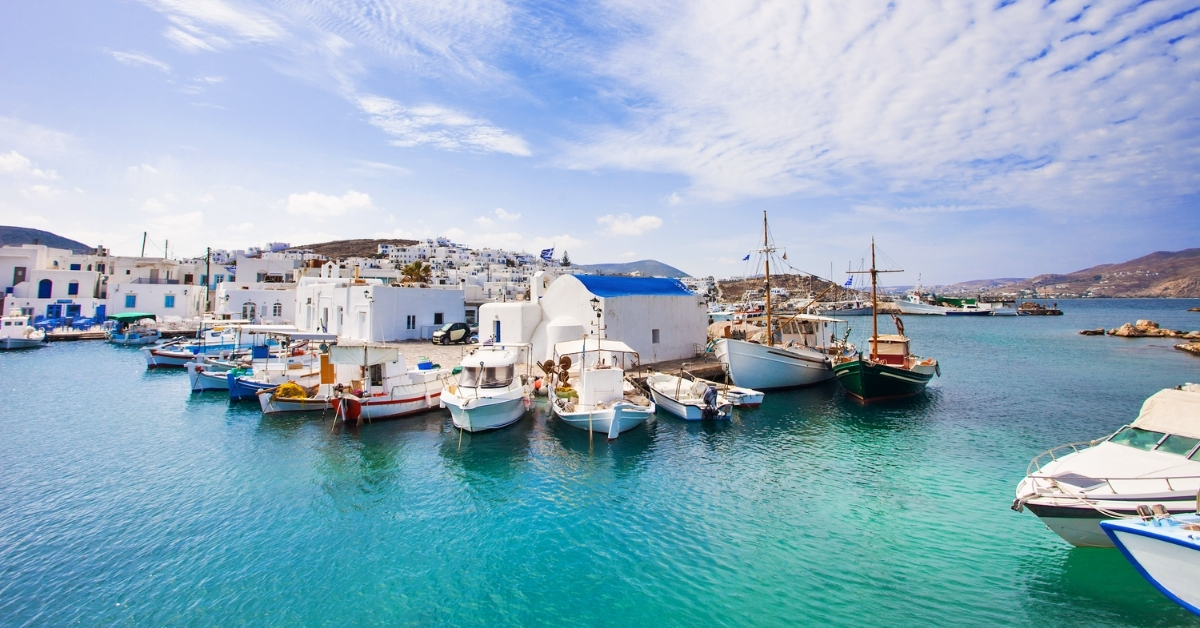
Greece is one of those destinations that lingers in your imagination long before you arrive—and stays with you long after you return home. With sun-washed islands, ancient ruins, crystal-clear waters, and famously warm hospitality, Greece feels both timeless and deeply alive. Whether you’re wandering through the echoes of ancient civilization, lingering over a seaside meal, or watching the sun sink into the Aegean, every experience feels rich with meaning.

It’s a destination that rewards curiosity and thoughtful planning—where choosing the right islands, timing your visit well, and balancing iconic sights with quieter moments can transform a wonderful trip into an unforgettable one. Here’s what to know before you go to Greece.


Why Go

With over 3,400 years of recorded history, Greece’s past isn’t something you read about—it’s something you walk through. From the Acropolis rising above Athens to the sacred site of Delphi, the monasteries of Meteora perched atop dramatic rock formations, and Ancient Olympia, the birthplace of the Olympic Games, history here feels powerful and tangible.

Constantinos Kollias | Unsplash


Beyond its ancient sites, Greece is incredibly diverse in its landscapes. Rugged mountains, fertile valleys, pine-covered hills, and an endless coastline give way to some of the most beautiful beaches in Europe. The islands each offer their own rhythm and personality—whether it’s the energy of Mykonos, the laid-back charm of Naxos, the cultural depth and outdoor adventures of Crete, or the striking volcanic scenery and romantic sunsets of Santorini.

Food in Greece is deeply tied to place and tradition, and meals are meant to be shared and savored. Fresh seafood pulled straight from the sea, simple vegetables elevated with olive oil and herbs, grilled octopus enjoyed harborside, or a comforting plate of moussaka in a local taverna—Greek cuisine feels honest, generous, and full of soul. Add a glass of local wine and a sunset over the Aegean, and it’s easy to understand why Greece captures hearts so completely.


When to Go

Greece enjoys wonderful weather for much of the year, with mild winters and long stretches of sunshine. Athens is a year-round destination, while most islands operate seasonally from April through October, when ferry routes and hotels are fully up and running.

For most travelers, the best time to visit is mid-April through June or September through mid-October. During these months, the weather is warm but comfortable, the crowds are thinner, and prices tend to be more reasonable. It’s ideal for sightseeing, island hopping, hiking, and beach time without the intensity of peak summer.

© Justin Black | Dreamstime.com


July and August are the hottest and busiest months, with temperatures sometimes climbing toward 100 degrees Fahrenheit. These months bring a lively energy—especially to islands like Mykonos and Santorini—but also larger crowds and higher prices.

While Greece isn’t known for snow travel in the same way as Italy, the winter months offer a quieter, more local experience, particularly on the mainland. Winter is a lovely time to explore Athens without crowds, enjoy cozy tavernas, and experience Greek culture at a slower, more authentic pace.


What to Know

Understanding a few local details ahead of time can make your Greece trip feel seamless and relaxed.

  • Visa, Currency & Language: No visa is required for most travelers. Greece uses the Euro, and the official language is Greek. English is widely spoken, and communication is easy throughout most of the country.
  • Getting Around: Domestic flights are convenient for traveling between the mainland and islands, while high-speed ferries offer scenic and efficient island-hopping. For exploring mainland Greece or larger islands like Crete, renting a car or hiring a private driver/guide is ideal.
  • Costs: Greece is generally affordable, especially on the mainland and lesser-known islands. Santorini and Mykonos tend to be the most expensive.
  • Family Travel Notes: Many hotels on Santorini don’t allow children under 13 due to cliffside construction, and the island can be challenging for strollers or travelers with mobility concerns.
  • Culture & Hospitality: Greeks are famously warm and welcoming. Whether or not there’s a shared language, you can expect kindness, generosity, and a genuine sense of hospitality wherever you go.
© Poike2017 | Dreamstime.com


Planning Your Greece Trip

If Greece has been living in your saved posts or travel daydreams, now is the time to turn inspiration into experience. Stop saving it for “someday” and start making memories—the kind you’ll talk about for years, relive through photos, and wish you could return to again and again.

At WAC Travel, we help you experience Greece beyond the highlight reel. From choosing the right islands to coordinating every detail along the way, we make travel feel seamless so you can focus on what matters most: being there, soaking it all in, and creating moments that last a lifetime.

Before You Go: Must-Know Tips for Traveling to Italy


Italy is one of those destinations that lives in your imagination long before you ever arrive. From sun-drenched piazzas and vineyard-covered hills to dramatic coastlines, alpine peaks, and cities layered with centuries of history, Italy is endlessly captivating. Whether you’re savoring a slow meal in a family-run trattoria, standing beneath world-famous works of art, or wandering a quiet village where life hasn’t changed much in generations, Italy has a way of making every moment feel meaningful.

It’s a country that rewards curiosity and thoughtful planning—where knowing when to go, where to linger, and how to move between places can transform a great trip into an unforgettable one. Here’s what to know before you go to Italy.


Why Go

With more UNESCO World Heritage Sites than any other country, Italy offers an unmatched depth of history and artistry. Iconic landmarks like the Colosseum, Roman Forum, and Pompeii bring the ancient world to life, while Florence stands as the heart of the Renaissance. Art lovers can admire Michelangelo’s David, explore the Uffizi’s extraordinary collection, or look up at the Sistine Chapel ceiling—moments that are just as powerful in person as you imagine they’ll be.

Italy’s landscapes are just as compelling. Rolling Tuscan hills, vineyard-covered countryside, dramatic coastal cliffs, and sparkling lakes offer endless variety. But many travelers are surprised to learn that Italy is also a fantastic mountain destination. The Italian Alps and Dolomites are breathtaking year-round—perfect for skiing, snowshoeing, and cozy alpine stays in winter, and hiking, biking, and scenic drives in the warmer months. It’s this diversity that makes Italy feel like several trips in one.


© David Iliff | Dreamstime.com


Then there’s the food and wine—simple, regional, and deeply tied to place. Each region tells its story through its cuisine, whether that’s cacio e pepe in Rome, Florentine steak in Tuscany, fresh seafood along the coast, or robust mountain dishes in the north. Pair it all with world-class wines like Chianti, Barolo, or Prosecco, and meals become memories you’ll talk about long after you’re home.


When to Go

One of the beautiful things about Italy is that there’s truly no bad time to visit—it really depends on what kind of experience you’re looking for. Cities like Rome, Florence, and Venice are wonderful year-round, while many coastal destinations and smaller towns, including the Amalfi Coast and parts of Tuscany, operate seasonally from about March through November.

For most travelers, we recommend visiting during shoulder season, typically April through May or September. These months offer that sweet spot of pleasant weather, fewer crowds, and a more relaxed pace. It’s warm enough to enjoy outdoor dining, sightseeing, and even swimming if you’re headed to the coast or islands, but without the intensity of peak summer.

July and August are the busiest months, bringing higher temperatures and larger crowds, especially in major cities and along the coast. August is also when many Italians take their own vacations, so you may find some local shops and restaurants closed, particularly in cities.

Fall is particularly special for food and wine lovers. Vineyards are alive with harvest, landscapes glow with warm autumn colors, and meals feel deeply seasonal and comforting. Just note that some wineries may close briefly during harvest, which is something we always factor into thoughtful trip planning.

Winter is an often-overlooked but a wonderful time to visit Italy, especially if you’re drawn to mountain scenery and snow activities. From December through March, the Italian Alps and Dolomites transform into a winter playground, offering excellent skiing, snowboarding, snowshoeing, and cozy alpine villages with roaring fires and hearty regional cuisine. Winter can also be a lovely time to visit cities, with fewer crowds, festive holiday markets, and a slower, more intimate feel.


© Andrey Omelyanchuk | Dreamstime.com


What to Know

Italy is easy to navigate once you understand a few local rhythms—and knowing these details ahead of time can make your trip feel effortless rather than overwhelming.

  • Currency & Language: Italy uses the Euro, and the official language is Italian. No visa is required for most travelers. In tourist areas, English is widely spoken, but learning a few basic Italian phrases goes a long way and is always appreciated.
  • Getting Around: Trains are reliable, affordable, and a fantastic way to travel between cities. For exploring the countryside—places like Tuscany or Puglia—a rental car offers much more flexibility. Italians drive on the right side of the road, and we recommend obtaining an international driver’s license if you plan to rent a car.
  • Driving Tips: Driving in major cities or along the Amalfi Coast is generally not recommended due to traffic and narrow roads. Trust us—this is one area where planning transportation in advance makes all the difference.
  • Dining Culture: Italian dining hours are more structured than in the U.S. Restaurants typically open for lunch between noon and 2 p.m., then close until reopening for dinner around 7 or 8 p.m. Bars (which function more like cafes) are open throughout the day and are family-friendly places to grab a drink, snack, or light meal.
  • Coffee Etiquette: Coffee is cheaper when enjoyed standing at the bar (al banco) rather than sitting down, especially in touristy areas where table service can cost several times more.
  • Museums & Planning: Some museums close on Mondays, which can impact shorter stays. A thoughtfully planned itinerary ensures you don’t miss the experiences that matter most to you.


© darrenquigley32 | pixabay.com


Planning Your Italy Trip

If Italy has been sitting on your “one day” list for far too long, consider this your sign to stop scrolling and start planning. The moments waiting for you—sunset aperitivos, art-filled afternoons, crisp mountain air, and long seaside dinners—are the ones you’ll be reminiscing about with friends and family for years to come.

At WAC Travel, we specialize in turning Italy from a dream into an experience that feels effortless and deeply personal. From knowing when to go and where to linger to handling the logistics in between, we take care of the details so you can be fully present and enjoy every unforgettable moment.


Before You Go: Must-Know Tips for Traveling to Europe


Heading to Europe soon? From new travel authorizations to border updates, there’s a lot to keep track of — and it can feel a little overwhelming.

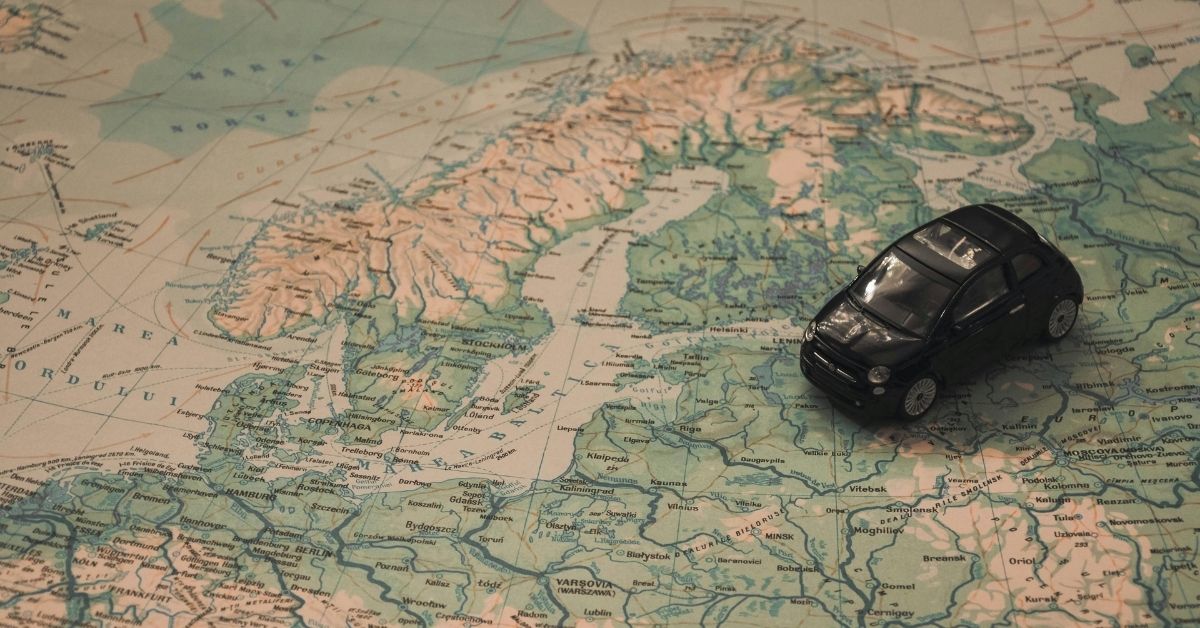
We’ve rounded up the key things you should know before your trip so crossing borders is smooth and stress-free.


European Travel Information and Authorisation System (ETIAS)

ETIAS is the EU’s upcoming travel-authorization requirement for visa-free non-EU citizens visiting Schengen-area countries. It’s expected to launch in late 2026. Travelers will apply online, pay a €20 fee, and the authorization will be valid for three years (or until your passport expires).

What this means for you: Only apply through official EU channels and have your passport ready — this pre-screening tool doesn’t replace a visa, it just checks you’re low-risk before arrival.


ClickerHappy | Pixabay.com


European Union’s Entry/Exit System (EES)

Starting October 12, 2025, the European Union rolls out the Entry/Exit System (EES) at its Schengen‑area borders for non‑EU/EEA/Swiss nationals. Essentially, instead of passport stamps, travelers will have their biometric data (fingerprints + a facial image), along with entry/exit times, stored in a digital system. It’s designed to make border checks more efficient and secure, and the system is expected to be fully in place by April 2026.

What this means for you: Be ready for a biometric scan at Schengen borders — carry your passport, but there’s no new visa needed for most travelers.


United Kingdom’s Electronic Travel Authorization (UK ETA)

As of April 2, 2025, many visitors who previously didn’t need a visa now require a UK ETA before traveling. It costs £10, is valid for two years or until your passport expires, and allows multiple visits up to six months each for tourism, business, or short-term study.

What this means for you: Apply online ahead of time, save your confirmation, and carry your passport — your ETA lets you board your flight but doesn’t guarantee entry.


International Driving Permit (IDP) (“International Driver’s License”)

An IDP translates your domestic driver’s license into multiple languages. For U.S. travelers, the only official issuers are AAA and AATA. It costs about $20 and is recognized in over 150 countries.

What this means for you: If you plan to drive abroad, get an IDP before you leave — car rental agencies and local authorities may require it alongside your home license.


Mihis Alex | Pexels.com


By staying on top of requirements like the UK ETA, ETIAS, or the Entry/Exit System, you’ll avoid last-minute headaches and travel with confidence. A little prep goes a long way — so take care of the paperwork, know what’s expected at the border, and focus on what really matters: enjoying your European adventure.

The Ultimate Packing Checklist: Must-Have Essentials for Any International Trip


There’s an art to packing well—and anyone who’s ever overstuffed a suitcase (only to wear half the clothes) knows it’s not always easy. The right gear can mean the difference between breezing through your trip or stressing over what you forgot. That’s where our seasoned WAC Travel advisors come in. With countless trips under their belts, they’ve narrowed down the essentials that make every journey smoother, lighter, and way more enjoyable.

Whether you’re prepping for your very first international adventure or you’ve got a passport full of stamps, this checklist is your go-to guide for packing smarter and traveling with confidence.


Photo by Anita Jankovic on Unsplash


Comfort on the Go

Because nothing ruins a trip faster than starting it off uncomfortably.

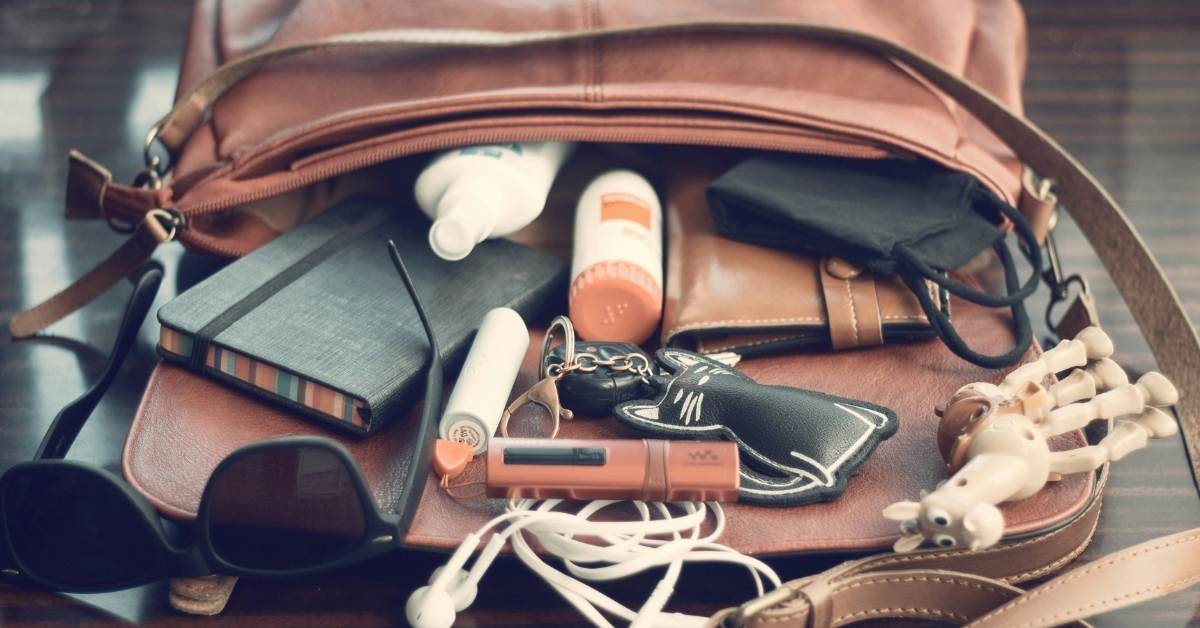
  • Eye mask + earplugs for quality sleep on long flights
  • Lightweight scarf or wrap for chilly planes or cool evenings
  • Portable fan (lifesaver in hot, sticky destinations)
  • Hydrating nasal spray to combat dry cabin air
  • Handy wipes for quick refreshes anytime


Health & Wellness Musts

Stay energized, hydrated, and ready for every adventure.

  • Compact medical kit with band-aids, ibuprofen, motion sickness pills, and probiotics
  • Electrolyte packets—perfect for long sightseeing days
  • Packing cubes to keep your suitcase organized and stress-free
  • Walk-friendly shoes and quality socks for happy feet


Tech & Power Lifesavers

Keep your devices powered and yourself connected wherever you are.

  • Portable charger or power bank to stay charged on the go (just be sure to pack it in your carry-on)
  • Universal adapter/converter for outlets worldwide
  • Dual-voltage hair tools (because no one wants to fry their favorite straightener)


Just-in-Case Heroes

The little things you’ll be grateful you brought.

  • Collapsible duffle bag for laundry or last-minute souvenirs
  • Mini sewing kit with scissors, needles, thread, and safety pins
  • Tide Stain Stick – perfect for those inevitable pasta sauce splashes


Ready for Smarter Travels?

With the right essentials, your trips can be smoother, more exciting, and full of unforgettable moments. Whether it’s your first international voyage or your fiftieth, being prepared makes all the difference.

And of course—the smartest packing strategy of all? Let WAC Travel take care of the details, so all you have to focus on is the adventure ahead.

Wherever you’re headed next, travel with confidence—and don’t forget to pack your curiosity and sense of wonder.

Thinking about your next adventure? Schedule a chat with one of our WAC Travel advisors today and let’s make your dream trip a reality.

Expert Travel Tips: How to Avoid Common Mistakes When Traveling Abroad


Travel is your ticket to unforgettable memories—but between flights, packing, and plans, it can feel a bit overwhelming. That’s when our seasoned travel gurus at WAC Travel step in. With years of globe-trotting and countless miles under their belts, they’ve got the best advice to help you travel smarter, stress less, and savor every moment of your adventure.

Whether you’re a first-time traveler or a seasoned explorer, these expert tips will help you feel confident, prepared, and ready to enjoy more from takeoff to touchdown.


                                                                                                                                                                                                                        Image by Tung Lam from Pixabay


Handy Tips from Our Travel Advisors

  • Keep an Eye on Your Bags: Pop an Apple AirTag or something similar in your suitcase or carry-on for peace of mind, especially if you’re checking luggage or have connecting flights.
  • Stay Connected Anywhere: Before takeoff, chat with your phone provider about international plans. Or snag an eSIM app like Airalo for budget-friendly local data. Plus, don’t forget WhatsApp—essential for Wi-Fi calls and chats worldwide.
  • Use Offline Maps: Download maps from Google Maps before you leave. Getting lost in charming alleyways? Fun. Getting truly lost without directions? Not so much.
  • Layer like a Local: As the Italians say, “vestirsi a cipolla”—dress like an onion! Layers are key, especially in Europe’s shoulder seasons when mornings feel like winter and afternoons scream summer.
  • Double-Check Your Documents: Take a few minutes before your trip to confirm your passport expiration date and any visa requirements. It’s not glamorous—but it can save you from last-minute heartbreak at the airport.
  • Learn a Few Local Phrases: Even a simple “hello” or “thank you” goes a long way. Locals appreciate the effort, and it makes your experience feel more authentic and connected.
  • Stay Informed: Enroll in the U.S. State Department’s STEP for timely travel updates and easy contact in case of emergencies.
  • Easily Split Expenses: If you’re splitting expenses with friends or family, the Splitwise app makes it effortless. No calculators, no awkward Venmo requests—just easy tracking.
  • Know TSA’s 3-1-1 Rule: Carry-on liquids must be 3.4 ounces or less, all packed into a single quart-sized bag. It’s the fastest way to sail through security without losing your favorite perfume.


Photo by Vlada Karpovich | Pexels


The Most Important Tip? Stay Flexible

Travel rarely goes 100% according to plan—and that’s part of the adventure. Approach hiccups with flexibility and curiosity, and you’ll find the best memories often come from the unexpected. And with WAC Travel by your side, you’ll never have to navigate those changes alone.


Ready for Smarter Travels?

With the right tips (and the right mindset), your trips can be smoother, more exciting, and filled with unforgettable moments. Whether it’s your first international trip or your fiftieth, preparation makes all the difference. And of course, the smartest travel hack of all? Letting WAC Travel plan the details so you can focus on the fun!

Wherever you’re heading next, travel with confidence—and pack your curiosity and sense of wonder.

Thinking about your next adventure? Schedule a chat with one of our WAC Travel advisors today and let’s make your dream trip a reality.

Why Use a Luxury Travel Advisor? Discover the WAC Travel Difference


Travel these days isn’t just about going somewhere new—it’s about finding the moments that stick with you. Moments that make you smile years later: the way a city’s energy grabs you, or how a perfect sunset makes you forget what day it is.

Since 2007, we’ve been helping travelers turn their dream trips into real-life, pinch-me experiences. Whether you’re flying solo, traveling as a couple, or bringing the whole crew, we’re here to make it so much more than just a vacation.

So, what makes us different? Think of us as your go-to travel besties—we know the hidden gems, the perfect hotels, and the little extras that turn a trip into the trip. Let us show you who we are, where we can take you, and how working with a travel advisor can totally change the way you travel.


Discover Our Story

WAC Travel began in 2007 as a boutique luxury travel agency fueled by a passion for crafting personalized journeys that truly resonate. Our all-women team loves exploring the world—and turning that love into unforgettable experiences tailored just for you!

From the very start, our mission has been simple: deliver travel that’s both luxurious and meaningful. We take the time to get to know your tastes, pace, and style, designing every trip with your unique story in mind. Drawing on firsthand adventures and an insatiable zest for discovery, we create itineraries that bring every destination to life in a way only insiders can.


Where We Travel

Dreaming of sun-kissed beaches, charming countryside villages, or breathtaking mountain escapes? We craft journeys that perfectly match your unique interests and style—because your travel should feel as personal as your favorite story.

At WAC Travel, we specialize in creating unforgettable itineraries across Europe and Africa. Imagine yourself sailing along the sparkling Mediterranean coast, sipping wine in a sun-drenched Tuscan vineyard, carving fresh powder on the Alps’ pristine slopes, or standing in awe of wildlife roaming the African savannah. Thanks to our deep local knowledge and trusted partners on the ground, we bring you authentic experiences that go beyond the guidebooks—moments that turn trips into lifelong memories.


Why Work with a Travel Advisor?

Have you ever spent hours comparing hotel reviews or second-guessing your plans? We’ve been there—and trust us, luxury travel shouldn’t feel like homework.

At WAC Travel, every unforgettable trip starts with getting to know you—your style, your wish list, and your travel pace. Then we turn it into a one-of-a-kind itinerary that’s effortless for you and packed with wow-worthy moments. From dreamy hotels to behind-the-scenes experiences and local secrets, we handle it all.

And because we’re all about ensuring high quality, we personally visit our partners every year to make sure they’re still delivering the magic—so every recommendation meets our high standards (and yours).


What We Offer

Our luxury travel services include:

  • Custom Itinerary Planning – Trips uniquely designed for you
  • Exclusive Lodging – Access to luxury hotels, resorts, and villas
  • Personalized Experiences – Wine tastings, cooking classes, safaris, historical tours, and so much more
  • Local Connections – Trusted guides and partners
  • Seamless Transportation – From trains to ferries to transfers: expect a smooth, stress-free experience from lift-off to touch-down

We’re with you from our first conversation to your return home—and every step in-between.


Ready to Travel Differently?

If you’re ready to trade cookie-cutter trips for personalized adventures, we’d love to plan your next unforgettable journey. At WAC Travel, we’re not just trip planners—we’re memory curators, dream engineers, and trusted luxury travel companions.

Let’s plan something extraordinary together!

Family with young children in an airport wearing masks

Post-Pandemic Travel Tips for a Stress-Free Vacation


For many, setting foot into the changed world of travel is a daunting task. This could be your first time traveling, especially internationally, in well over a year and it’s impossible to ignore all the differences. It’s important to face these differences instead and getting ahead with these post-pandemic travel tips can help ensure that your vacation isn’t overrun by infectious worries.


Trevi Fountain in Rome at dawn
© Andrey Omelyanchuk | Unsplash


1) Take advantage of off-hours


For example, the Trevi Fountain is one of the most popular sights in all of Rome, and you don’t have to wait for any building to open in order to visit it. This will help you dodge many of the crowds before they emerge from their hotels for the day. Waking up earlier to achieve this may not be ideal, but in exchange you’ll also receive the perks of better photo opportunities and a more personal experience with these monuments.


Hand cleaning an airplane tray table with a sanitizing wipe

© Smumcu1 | Dreamstime.com


2) Make room in your luggage for cleaning supplies


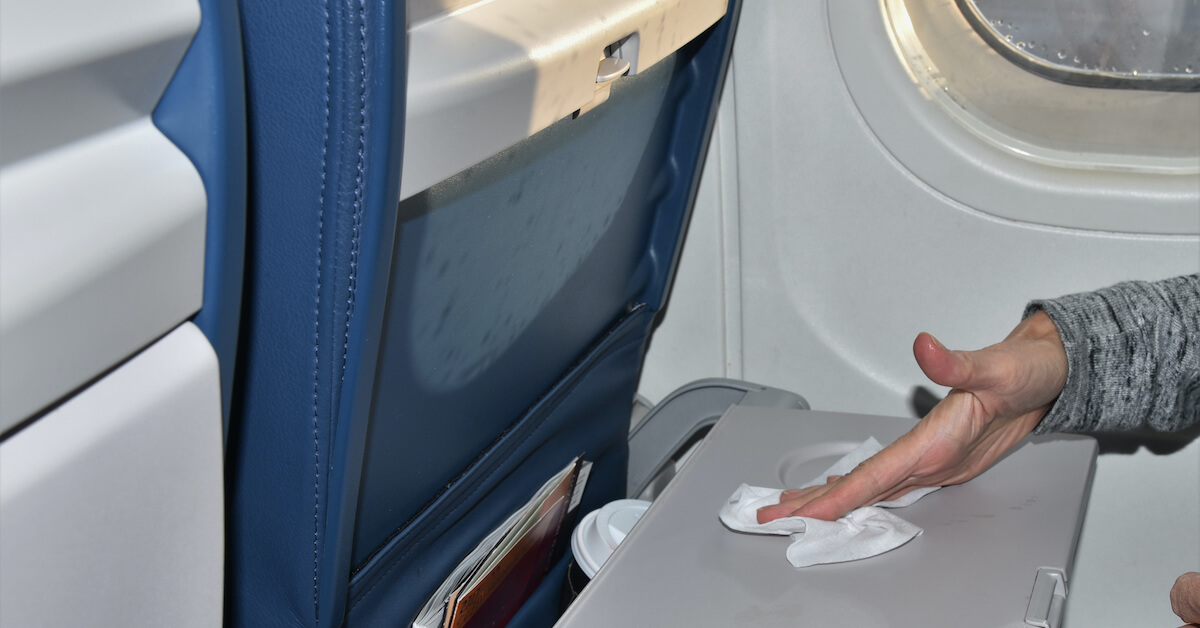
Airplanes were disgusting enough before the word “coronavirus” became a part of our everyday vocabulary. If absolutely nothing else, consider slipping a pack of sanitizing wipes in your personal item to wipe down your tray table, arm rests, seatbelt and entertainment system on your flight. Hotels have really upped their cleaning game, but this still may be the first time you’ve stayed anywhere other than your own home in over a year. So if bringing cleaning supplies to do your own quick sanitizing sweep of the room will give you some peace of mind, then it’s worth the extra space. Just be mindful of TSA restrictions if you plan on packing any disinfectant sprays. And if you’ve hoarded a bunch of hand sanitizer, separate it into some mini bottles to bring with you.


Hands place surgical masks into a suitcase as packing extra is one of the most important post-pandemic travel tips

© Juan Moyano | Dreamstime.com


3) Pack more masks than you think you’ll need


Mask mandates can vary from place to place, and it’s better to have too many masks on hand than too few, particularly if you prefer specific types of masks. The last thing you’ll want to worry about is having to constantly wash reusable masks or buy more reusable masks, so packing more is well worth the small amount of space they take up in your luggage. Keep in mind that in a lot of places, basic face coverings such as bandanas or neck gaiters simply won’t cut it. You’ll likely need less if you’re spending most of your trip on the beaches of Crete as opposed to touring historical sites throughout Athens, but this is still one of those rare items where overpacking could prove beneficial.


Close up of someone's feet in brown leather shoes walking along a stone path

© Vidar Nordli-Mathisen | Unsplash


4) Break in your walking shoes


Pre-pandemic, you may not have thought twice about hopping on the metro or flagging down a taxi to take you from point A to point B. These are still probably safer options than roaming around lost in a city at night, but it’s also something you can cut down on in order to limit close contact with others. Instead of cramming into a tiny Uber with a driver you don’t know or a metro car filled with people to reach that restaurant you really wanted to try for lunch, you may wish to walk instead if the distance is manageable. Throughout your travels you may also find yourself walking longer routes to avoid pushing through bustling squares.


The famous yellow Piazza dell'Anfiteatro in Lucca, Italy

© Rudmer Zwerver | Dreamstime.com


5) Opt outside


There’s no shortage of jaw-dropping scenery throughout Europe, like the green hills of Chianti or the soaring mountains of the Bernese Oberland. But if you’re visiting somewhere like Florence or Paris, it can be tough not to tour the inside of the Uffizi or the Louvre. There will still be plenty of smaller choices throughout your trip where you can opt outside though. Instead of popping in and out of tight boutique storefronts, you can weave your way through outdoor markets. And Europe has been far ahead of the United States in al fresco dining long before the pandemic ever struck, so it won’t be hard to find outdoor dining options. To ensure you have a table outside, have your travel designer book reservations for you far in advance.


Close-up of hands typing on a laptop, as keeping on top of requirements is one of the most important post-pandemic travel tips

© Michael Dolejs | Unsplash


6) Stay on top of requirements


Unfortunately, travel may be a bit more bureaucratic than you’re used to for the time being. And all of the other post-pandemic travel tips in this list will be rendered useless if you can’t enter your destination in the first place. Entry requirements to different countries could require a variety of documentation, and they could change from the time you book your trip to the time you actually depart. It’s better to have all of this in order in advance than to find out just before you depart that you’re missing something and have to scramble. You’ll also want to know what’s expected of you in order to return home and prepare accordingly instead of spending your last few days of vacation trying to figure it out.


A woman and her daughter wearing face masks posing for a photo in front of the Leaning Tower of Pisa in Italy, an adjustment of expectations that is one of the most important post-pandemic travel tips to keep in mind

© Citalliance | Dreamstime.com


7) Adjust your expectations


This is by far the most important of these post-pandemic travel tips in order to truly achieve a stress-free vacation. You don’t necessarily have to lower your expectations, but simply adjust them in order to prepare yourself for how things may be different. You might have to wear masks in many of your vacation photos. Lines at immigration may move slower. Certain venues may still be closed. However, there could also be some nice benefits. Some destinations may not yet be as crowded as they usually would be or you might score some deals. You can still have an absolutely amazing trip, it just may look a little different than it would’ve pre-pandemic.


Featured image: © Famveldman | Dreamstime.com

Where Can I Travel to Now?


Baby, it’s cold outside! And while we’re all kind of bored of being inside, you may be asking yourself, “Where can I travel to now?” As a matter of fact, there are some pretty good options! Three of our all time favorite Caribbean islands are open to American visitors with a negative Covid test at either end of your trip. They each have slightly different regulations which we can help you navigate. But the good news is that you can still have some wonderful experiences – snorkeling, scuba diving, jungle hiking, ATV tours, cycling, fine dining – and all three have a complimentary kids’ club.


While we’re better known for our expertise in Europe, we’ve been sending clients to the Caribbean for years, with great success!


By booking with WAC Travel you will receive the full VIP treatment – free room upgrade subject to availability, complimentary breakfast, $100 resort credit, early check-in and late check-out. Each island has a different personality, activities, and scenery as described below – if you are finding it too hard to make a decision, let’s hop on a call to discuss.


Narrow pool lined with table in chairs in the foreground leading towards a sandy coast wrapping around blue water with white buildings in the distance

© Belmond


1) Belmond Cap Juluca, Anguilla


Fresh from a $121 million renovation, and newly acquired by Louis Vuitton, Belmond Cap Juluca may be the jewel in the crown of the Caribbean. The accommodations are all spread out along the pristine powder white sand beach. From sailing lessons to kayaking through hidden coves and bays, there’s no end of thrilling things to do in Anguilla.


Sandy beach lined with umbrellas and lounge chairs and several boats in the water with a green mountain in the background

© Viceroy


2) Viceroy Sugar Beach, St Lucia


Set amidst more than 100 acres of tropical rainforest, and nestled between the majestic Pitons – the Viceroy Sugar Beach has a sensational location. There are two sandy beaches, a spa with tree house treatment rooms, a full PADI dive facility, and superb waterfront dining. Rooms have a private plunge pool, and activities include hiking the Pitons, and ATV rides through the jungle.


Aerial view of a white sand beach with light blue water

© The Shore Club


3) The Shore Club, Turks & Caicos


Defined by a spirit of relaxation and adventure, The Shore Club is set on Long Bay Beach, a stunning, secluded beach minutes away from Provo’s town center. An indulgent spa, four pools, three restaurants, luxurious accommodations, and breathtaking views elevate the resort experience. Guests are also free to explore the islands’ restaurants and beaches, or partake in snorkeling and scuba diving trips.


Featured image: © Vadim NefedovDreamstime.com


South Africa Borders Open to Americans

While many of you are most familiar with us for our expertise in Europe, we have actually been offering tailor-made itineraries to Africa to our repeat clients since our inception in 2007. As South Africa borders open to Americans this week, WAC Travel is celebrating the prospect of resuming travel to this country rich in contrasts with scenery ranging from vineyards to beaches, and with wildlife from penguins and whales to lions and rhinos. We plan itineraries which are completely private, staying in small luxury lodges in the wilderness where Covid is of little concern. Game drives are in an open sided Jeep, meals are outside by the open fire, and most internal flights are in a small plane with just you and a handful of others.

The best time of year for warm weather is our winter, but there are plenty of excuses to visit year round. You could also combine South Africa with one of the surrounding countries which are also open to Americans: Namibia (giant sand dunes), Botswana (diversity of wildlife), or Zambia (Victoria Falls). Having traveled extensively though all four countries, I would be excited to help you plan. Please note that travelers must present a negative Covid-19 test dating no less than 72 hours before departing their country of origin.

Here’s an idea of how you could hop between 3 different locations within South Africa:


South Africa Opens Borders_Capetown
Capetown

Start by staying in one of eleven spacious suites, all with sea facing or uninterrupted views of The Twelve Apostle Mountain range, and steps from Camps Bay beach. Take a cable car to the top of Table Mountain, relax on the sandy beaches, and have a cocktail while you watch the sunset at one of the open-air cafes lining the beachfront. During your stay we can arrange a day trip to Franschhoek Valley for wine tasting with mountain vistas. You could also take a drive down to the Cape of Good Hope, stopping to visit with penguins, see whales, and even snorkel with seals. From here, it is just a 3 hour flight to Kruger National Park, we have included private game reserves as the guides can off-road to follow close behind the animals.


Klaserie Private Game ReserveSouth Africa Borders Open_Klaserie

This breathtaking expanse of wilderness shares an unfenced boundary with the Kruger National Park, with Big Five game moving freely throughout the region. Peering out over the serene Klaserie River, this boutique lodge offers breathtaking views across the African savannah. Featuring four elegant garden-view rooms and two opulent villas overlooking the river, each luxury suite is complete with its own private deck area and natural views of the river, gardens and vistas. Perfect for couples looking for a romantic getaway, relaxation and exclusivity is at the heart of this lodge. Take a dip in the infinity pool, unwind at the open-air bar or simply immerse yourself with a good read in your egg bathtub.


South Africa Borders Open_Sabie SandsSabi Sands Private Game Reserve

Just a 3 hour drive away, this lodge is set in magnificent trees along the meandering Manyeleti River. Sophisticated yet simple, each suite has spectacular views whether from the unique en-suite bathrooms, outside salas or individual private plunge pools. Guests are encouraged to enjoy the extraordinary and unique wildlife of Africa: lions, leopards, elephants, rhinos, and buffalos or to be amazed by the extensive array of birds and insects, or simply to relax in the Sanctuary Spa. The ranger and tracker team will astound with their ability to track Big Five game, either on foot or from an open safari vehicle. The safari experience is complimented by elegant cuisine, a selection of fine wines and the warmth of true African hospitality.

Africa usually gets booked up over a year in advance. Please schedule a time to chat about Africa by clicking this link:

www.calendly.com/wactravel/tripplanning


We know you are looking forward to traveling again and we are here to help plan the best options for you and your loved ones. Stay safe, happy, and healthy!